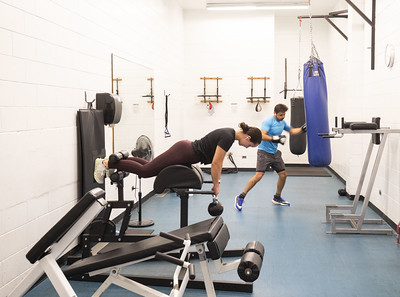
Most of us are aware of the benefits of exercise to our physical health. Meeting the recommended 150 minutes/week of moderate to vigorous exercise can support weight management, improve cardiovascular health and reduce the risk of chronic disease. Increasingly, research shows that the benefits of exercise extend well beyond the physical. Regular movement can also play a significant role in supporting mental health – helping to reduce symptoms of stress, anxiety and depression – and is now recognized as a valuable, evidence based intervention for overall well-being.
Which Exercises Work Best?
While nearly any type of movement helps, research demonstrates specific workouts can provide targeted relief. For example, exercises like Yoga or Pilates tend to reduce anxiety and stress the most. Aerobic exercises – anything that increases the heart rate – can consistently elevate your baseline moods. Resistance exercises and strength training appear to help the most with depression. If you are a person who tends to not to be fond of activities like lifting weights or fitness classes, do any type of movement that is enjoyable to you. As with any mental wellbeing strategy, the longer you stick with your plan and the more often you exercise, the more benefits you’ll see.
What are the benefits to my mental health?
Research suggests that the benefits of physical activity to mental health come from the combined physiological, psychological, social and neurological effects of exercise.
Physiological: Movement boosts the production of endorphins and endocannabinoids, which are chemicals that help you relax, feel more pleasure and feel less pain. Movement also reduces the amount of the stress hormone – cortisol- that your body produces.
Psychological: Short bursts of movement – like a quick 10 minute walk- can make you happier in the moment by interrupting negative thought patterns and rumination. Regular physical activity helps to increase feelings of self-esteem and self-efficacy.
Social: People who exercise tend to have regular face to face interactions that come from group exercise or team sports. The social interaction can boost mood and help to prevent depression.
Neurological: Movement helps your brain to produce and use more dopamine and serotonin. These neurotransmitters interact with the brain and can activate positive emotions. People who exercise regularly also have more blood flowing to the brain which reduces inflammation. Lastly, exercise stimulates the release of growth factors in the brain, which optimizes the growth of new blood vessels and existing brain cells.
Where can I go to exercise?
Here are some suggestions:
RRC Polytech staff and students can access Campus Well-Being’s fitness classes, recreation options, intramurals, and weight rooms throughout the year. Visit the Campus Well-Being Portal for more information or to sign up for a class.
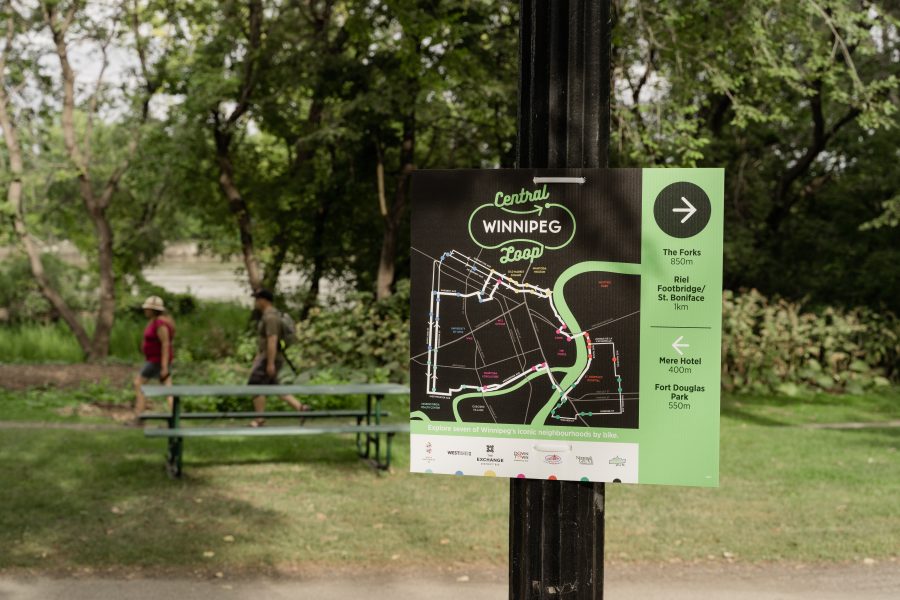
Winnipeg offers an extensive network of multi-use pathways and scenic nature trails perfect for walking and biking. Visit the Manitoba Trails Association website to learn more.
The City of Winnipeg Leisure Guide is a practical, community-based resource that can play a meaningful role in supporting mental health through accessible movement and recreation. The guide is released seasonally and provides a wide variety of recreation and active living programs for all ages, abilities, and interests—including fitness classes, swimming, skating, yoga, sports, and general wellness programming.

Sources:
]]>
Graduation, or heading off into a summer co-op placement, can feel like stepping into an entirely new world. Your college routines and social circles suddenly shift. Here on campus, you may have participated in some of our wellness activities like petting a therapy dog on a study break, playing games at a Pop-Up Game Room or Board Game Night, or staying active through intramurals and fitness classes. The transition into a practicum or workplace doesn’t mean leaving those moments behind; it means finding new ways to carry them forward.
Find Community
One of the biggest challenges after college is recreating that sense of community. After finding new friends in shared classes over several months, being alone in a new workplace may seem daunting. With some intention, finding and creating connections can make a big difference in your new situation. The goal is to maintain that sense of belonging that was so central to your college experience.

- Find out if your workplace has a wellness or social committee and join it
- Introduce yourself to coworkers beyond your immediate team
- Organize or join a monthly game night (board games or trivia)
- Set up a regular coffee or lunch meetup with colleagues
- Stay in touch with college friends through group chats or meetups
- Attend at least one workplace or community event each month
Take Breaks
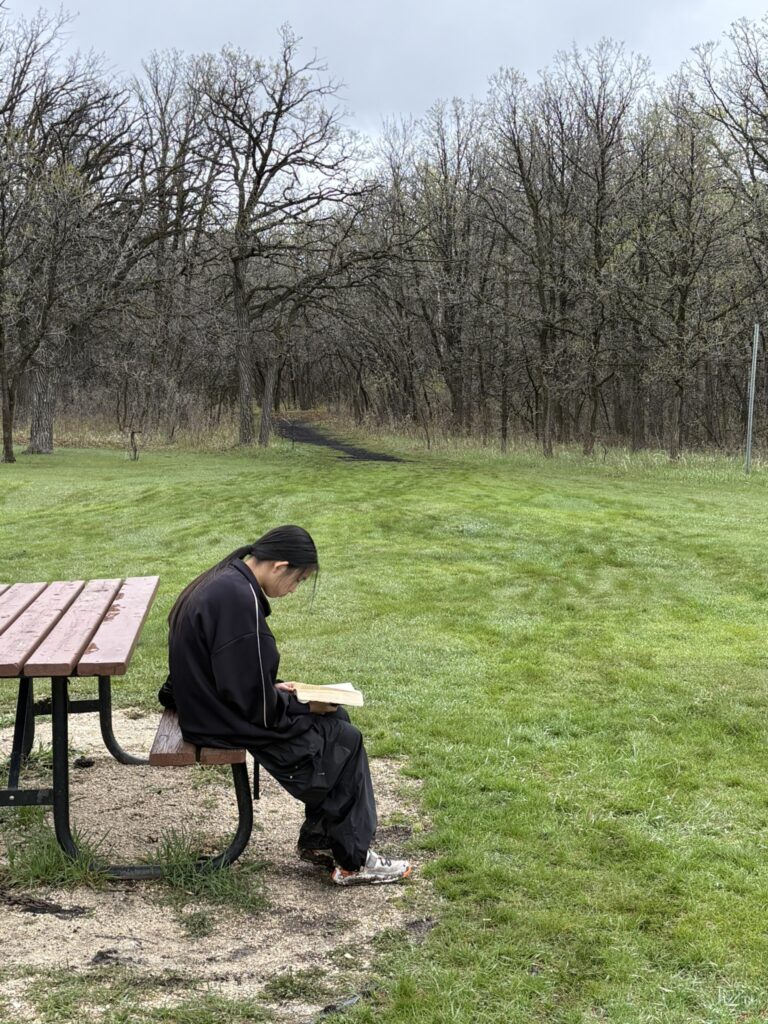
Remember to take breaks to protect your well-being. In college, breaks might have included borrowing a bike, stepping outside to the Medicine Garden, or attending a Cat Café or other fun student event. In a professional setting, these types of practices are just as important. Without planned pauses, burnout can happen quickly. Stepping away from your desk, getting fresh air, or having a quick social interaction can reset your energy and improve productivity.
- Personalize your workspace with uplifting items
- Practice mindfulness, or relaxation techniques
- Ask for help or support when needed
- Share ideas you enjoyed in college with coworkers
- Advocate for a healthy balance in your workplace
- Set boundaries for work hours to avoid burnout
Find Your Passion
Whatever hobby or habit gives you peace of mind or helps you recharge, continue to keep it in your home life and add it to your workplace after college too. These activities support your energy, focus, and overall well-being. Whether it’s being creative, staying active, or spending time with others, keeping these routines helps you stay grounded during life transitions. Being intentional matters. Make space for your passions, invite others to join you, and bring that energy into your new environment. Over time, this creates a ripple effect that supports your own wellness while helping build a more positive, connected culture around you.
- Identify 1 or 2 hobbies or activities that help you recharge, add these to your weekly calendar
- Bring a small part of your hobby into your workspace (photos, supplies, reminders)
- Join a local club, class, or group related to your interest
- Invite a coworker or friend to try your hobby with you
- Reflect monthly on how your passions support your energy and well-being
- Protect time for hobbies by setting boundaries around work and screen time
May we all carry peace forward for ourselves and for others. As you move into your career, seek out the activities and connections that make you feel energized, take them with you into new spaces and places, and share them openly. By doing so, you create a life that reflects what you learned at college, and how you want to live and work.
Resources to Explore
- City of Winnipeg Recreation Programs
- The Wellness Institute (Winnipeg)
- Canadian Parks and Wilderness Society (CPAWS Manitoba)
- Government of Canada – Workplace Mental Health Resources
- Workplace Mental Health
- Canadian Mental Health Association (CMHA)
Portions of this content were researched and summarized with the help of AI to enhance clarity and accuracy.
]]>If you find yourself sitting for long hours in the day, planks can help strengthen the muscles that support the spine and promote better posture. Improved core stability can also enhance performance in exercises such as squats, deadlifts, push-ups and many other movements!
How to Perform the Plank
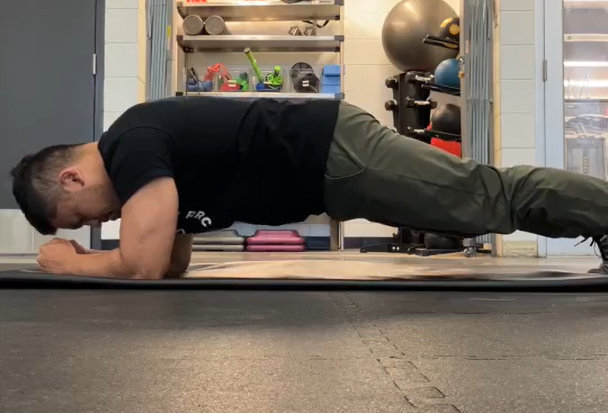
Starting Position:Begin on your forearms and toes, elbows directly under your shoulders. Make a straight line with your head and heels.
Maintain PositionBrace your core – like you’re about to take punch to the stomach and squeeze your glutes, while also maintaining that straight line.
Keep your head in a comfortable position, looking straight down. Breathe normally throughout the entire exercise and hold the position.
Common Cues:
- Keep your body straight from head to toe
- Pull your bellybutton toward your spine
- Squeeze your glutes
- Continue breathing – don’t hold your breath!
- Stop if you’re unable to maintain proper posture
Sets and Reps
To start, you can determine the number of sets and reps, based on your fitness level:
- Beginner: 2-3 sets of 15-30 second holds
- Intermediate: 2-4 sets of 30-60 second holds
- Advanced: 2-4 sets of 60+ second holds
These are just guidelines. Focus on the quality rather than the duration – if you feel like your posture is changing and you’re not working your core, stop there. A shorter, good quality plank is better than a longer plank with poor posture. Even if it’s just for a few seconds!
How to Include Planks in Your Workout Routine
Planks can be performed at any time before, during or after your workout!
They’re great for:
- Warm-ups
- Supersets between strength training exercises
- End of your workout as part of a core circuit
- At home as a quick core exercise, requiring no equipment
Variations
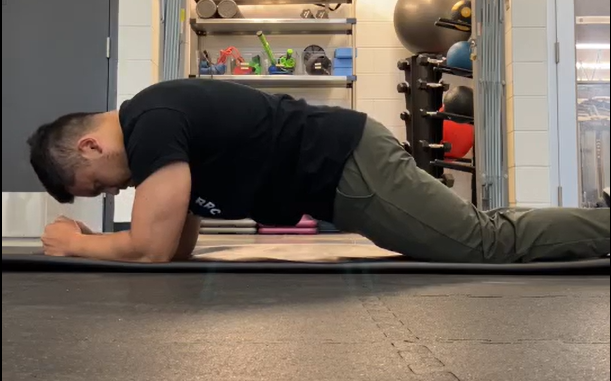
For easier options your can try planks on your knees or elevated – with your hands on a bench or wall
For more challenging options you can try:
- High Planks – push up position
- Side planks – working your obliques and side muscles
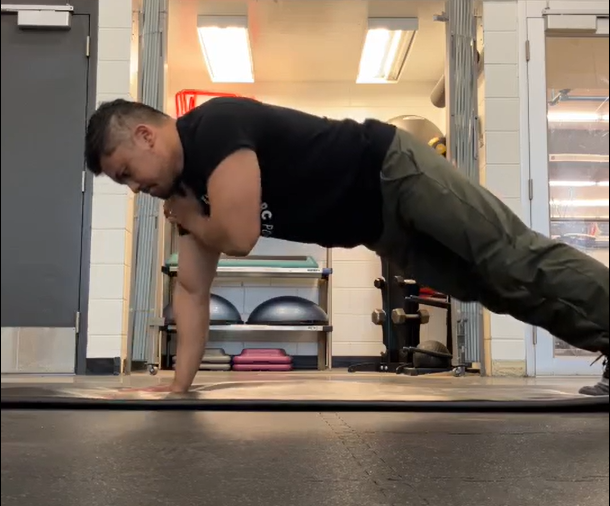
- Planks with shoulder taps (images below)
- Weighted Planks – plank position, with weight placed right on your upper back
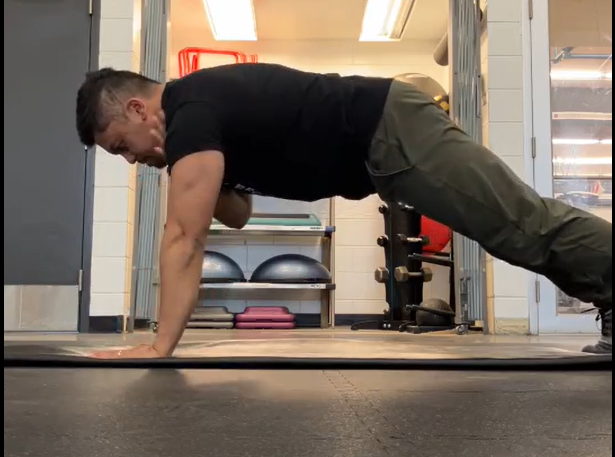
Choose a variation that allows your to maintain proper form throughout the exercise
Try It Today!
Feel free to follow these steps to help you get started.
Still not sure how to do the exercise? Head over to our Instagram for a video tutorial!
You can also seek help through our Fitness Centre Orientation, where we can show you how to perform this exercise in person. Just contact Henry.
Sources
National Library of Medicine – Effects of Planks
Harvard Health Publishing – Planks
Isometric exercise: Using body weight to lower blood pressure
]]>Join the following sessions and discover how to cultivate a deeper sense of balance, clarity, and calm by harmonizing with the world around you.
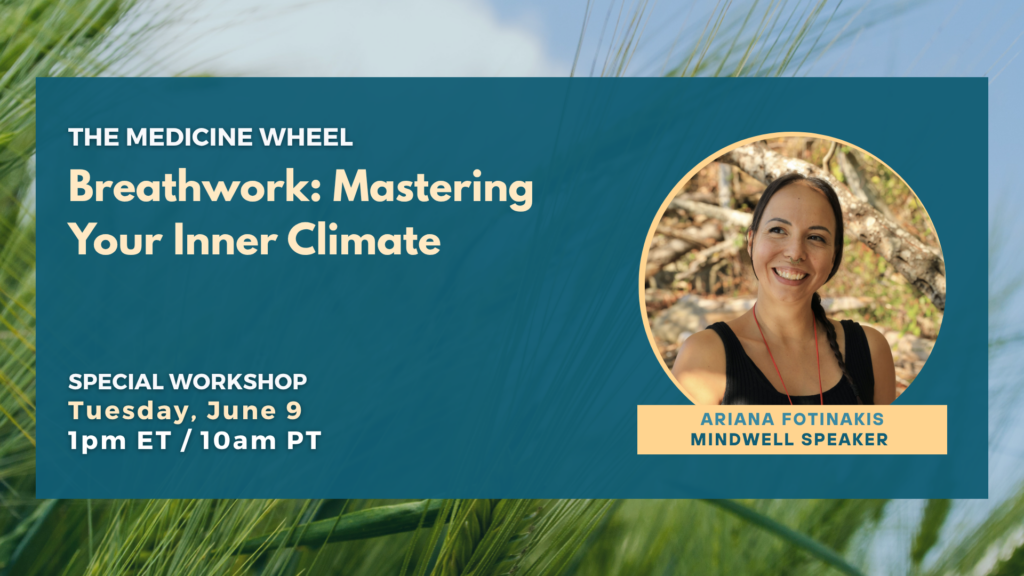
Breathwork: Mastering Your Inner Climate – Tuesday June 9 at 12 pm CST
Often our internal thoughts and emotions can feel turbulent and chaotic. In this session, you will explore how to navigate these “inner weather patterns” using the grounding tools of the Medicine Wheel and breathwork.
MindWell Instructor Ariana Fotinakis will guide you through practical techniques to stabilize your system, allowing you to find a clear, calm centre even amidst the most demanding circumstances. By mastering your inner climate, you gain the resilience to stay balanced, focused, and composed, regardless of what is happening in the environment around you. Register here.
The Mindful Art of Shinrin-Yoku – Wednesdays at 11 am CST
Discover forest bathing, the evidence-based practice of mindful immersion in nature. Learn to quiet your mind and engage your senses to absorb the calming, restorative atmosphere of the forest. This deliberate, sensory connection fosters profound personal well-being while cultivating an inherent respect for the environment. Register here.
Planting Seeds of Present Awareness – Fridays at 11 am
Planting Seeds invites us to slow down and notice the present moment, understanding that life’s journey is a process. Just like a seed, growth takes patience, care, and trust that what we nurture today will bloom in time.
Join Ross and cultivate a deeper appreciation for your environment and the journey of nurturing your well-being. Register here.
]]>Summer-time SAD is also caused by changes in the weather and changes in melatonin levels. For people experiencing summer-time SAD, they experience reduced melatonin levels, making it harder to fall and stay asleep. Sleep disruptions also lead to changes in serotonin levels, and in people experiencing SAD, changes in serotonin and melatonin disrupt normal daily rhythms. Other contributing factors include heat induced irritability, extreme heat causing stress, disrupted routines, and changes in connections/friendships.

Typical symptoms of summer-time SAD
- difficulty concentrating, remembering, or making decisions.
- physical aches and pains without a clear physical cause.
- trouble sleeping (insomnia)
- poor appetite, leading to weight loss
- restlessness and agitation
- anxiety
- violent or agressive behaviour
- thoughts of suicide
What can you do?
Like all other times of the year, there are always proactive steps you can take to implement self-care activities and actions to help manage and improve your mental health. Here are some suggestions for quick and easy mental health resets you can do anytime of the day.
- 5-4-3-2-1 grounding method is a mindfulness technique that helps to calm the nervous system by shifting your focus away from racing thoughts and physical sensations.
- Box breathing is a deep breathing technique that can help you slow down and shifting your body into a relaxed state.
- Reduce screen time by choosing activities that will keep your hands and mind engaged. You can read a book, learn to crochet/knit/sew, complete a Lego set, go for a walk, stretch your body or even some light yoga. Do what interests you and feels good.
- Reach out to supports like the RRC Polytech counselling department, peer support volunteers, or our E-mental health services.
- Healthy Minds Healthy College Library Collection at the library. Check out the special collection of books and other resources to support student and staff well-being.
- Reach out to 9-8-8 or local crisis line
Sources
Canadian Association for Mental Health
]]>If you’ve ever taken a mindful pause with MindWell, you’re already part of this story.
During Mental Health Week, MindWell is hosting a special event to celebrate the journey of Take 5. But it’s more than just an event; it’s a celebration of a practice that continues to help people find calm, focus, and resilience every day. Login or register for your free MindWell account here.
Here’s what is on offer this May:
Celebrate 10 Years of Take 5
Join MindWell for a milestone celebration! You will learn exactly why mastering the self-regulation of your nervous system is essential for thriving in today’s dynamic, fast-paced world. Plus, be among the first to hear exclusive details about the exciting next chapter: MindWell House!
Join to discover:
- The Legacy: The origins and evolution of the Take 5 practice.
- The Science of Thriving: How to effectively self-regulate your nervous system to navigate daily stress.
- The Power of Personalization: How to maximize your well-being journey using the MindWell AI Coach.
- The Future of MindWell: An exclusive sneak peek into what is coming next: The MindWell House
Clarity & Inner Calm
Engage in practices that quiet the mind, reduce anxiety, and enhance focus and mental clarity. Cultivate a resilient mindset, empowering you to navigate life’s complexities with peace and presence.
Wednesdays at 11 am CST. Register here.
Interrupting Stress Cycles
Understand how stress manifests in your body and mind, and master quick, effective breath based resets to disrupt worry spirals, muscle tension and racing thoughts. Gain immediate grounding techniques to restore mental calm whenever stress arises.
Fridays at 11 am CST. Register here.
]]>
Campus Well-Being’s Bike Share program for students and staff includes four bikes available to borrow during the day at the Notre Dame Campus.
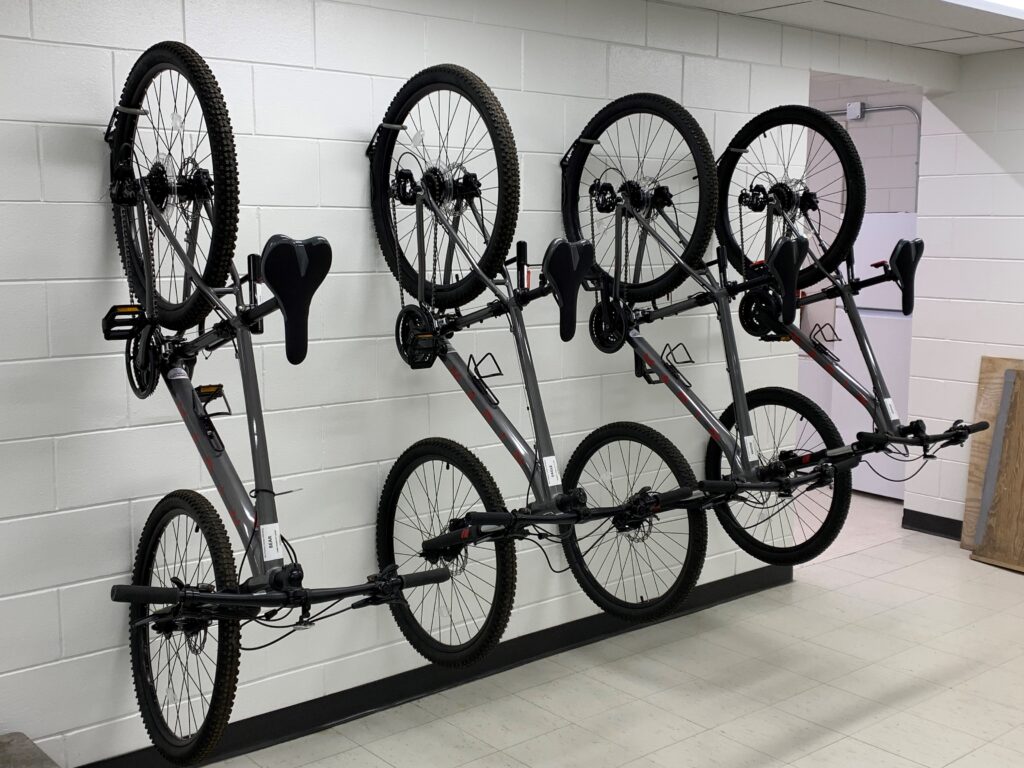
- Moose and Bear – two large framed bikes for people 5’5” to 6’ tall and up
- Eagle – a medium sized bike for people 5’5” to 5’8” tall
- Goose – for people 5’2” to 5’5” tall
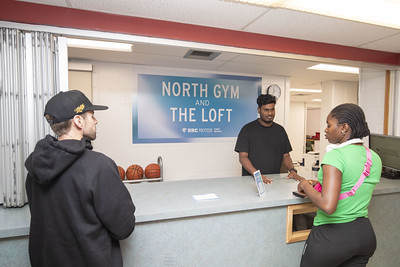
Come to the NDC North Gym customer service desk during regular gym hours, fill out a waiver and pick your bike – daytime borrowing only by students and staff. Wearing a helmet is mandatory. Bring your own or borrow one from us; bike locks are available too.
Each user receiving a bike will be responsible for:
- Keeping it secure
- Riding safely and lawfully
- Returning it in a timely manner
Community Bike Ride
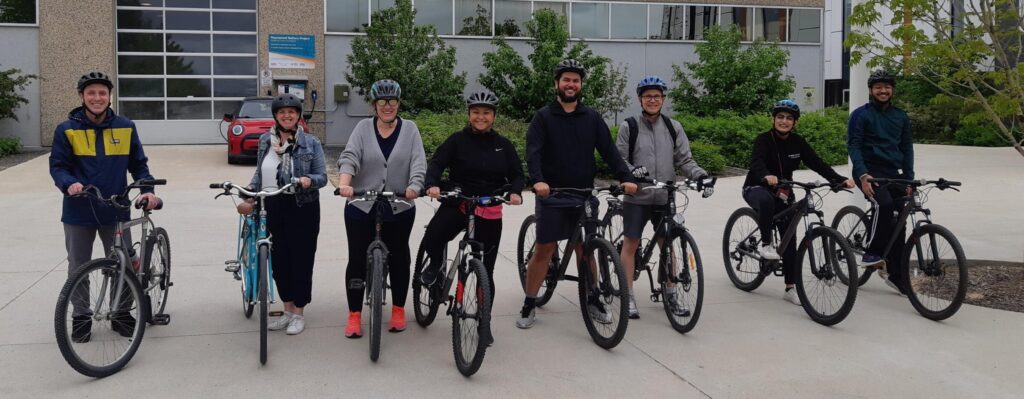
Ready to roll into summer vibes? Join the Campus Well-Being and Environmental Stewardship and Campus Renewal departments for a fun and chill group bike ride to Sargent Sundae for some delicious ice cream! This leisurely, guided round-trip ride is open to all students and staff — a perfect way to connect, get active, and treat yourself.
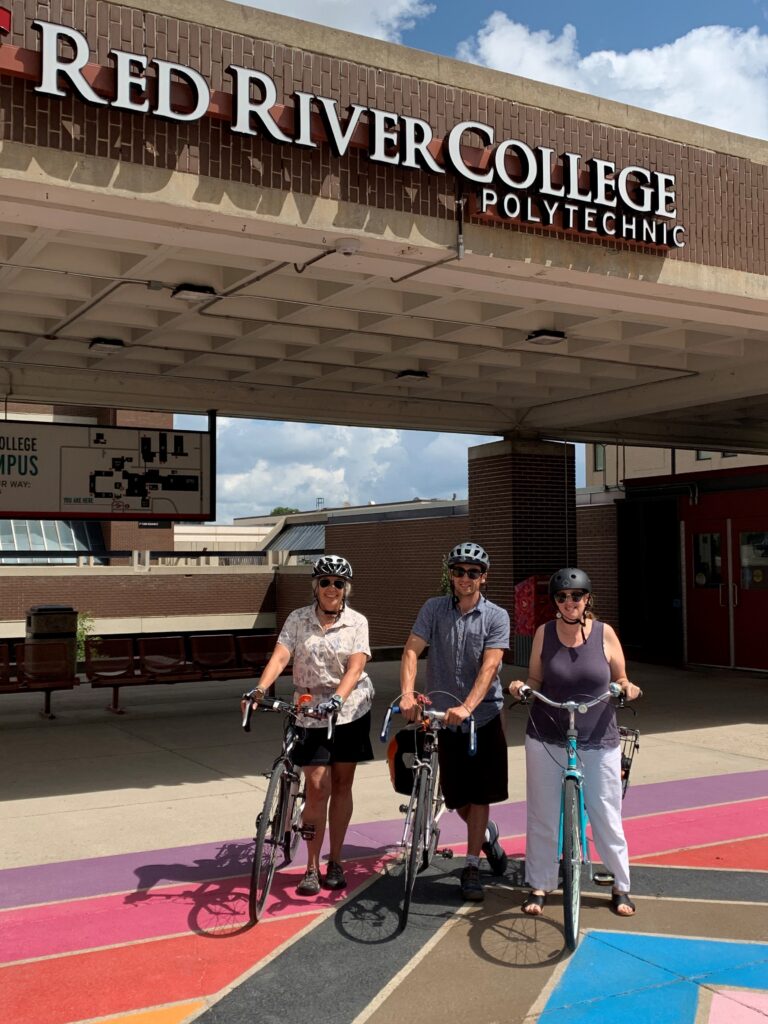
- 📍 Where: Meet at the front bus loop, Notre Dame Campus
- 🍦 Destination: Sargent Sundae for ice cream!
Bring your bike, helmet, water bottle, and some cash for your sweet treat. Don’t have a bike? No worries! Check out one of our four bikes in the North Gym, first come, first served.
👉Remember to register — we want to know who’s coming!
Let’s ride, relax, and scoop up some good times together!(NOTE: If raining on May 21, back up RAIN DATE – Tuesday, May 26, 2026)
For RRC Polytech Staff ONLY – E-Bike Loan Program
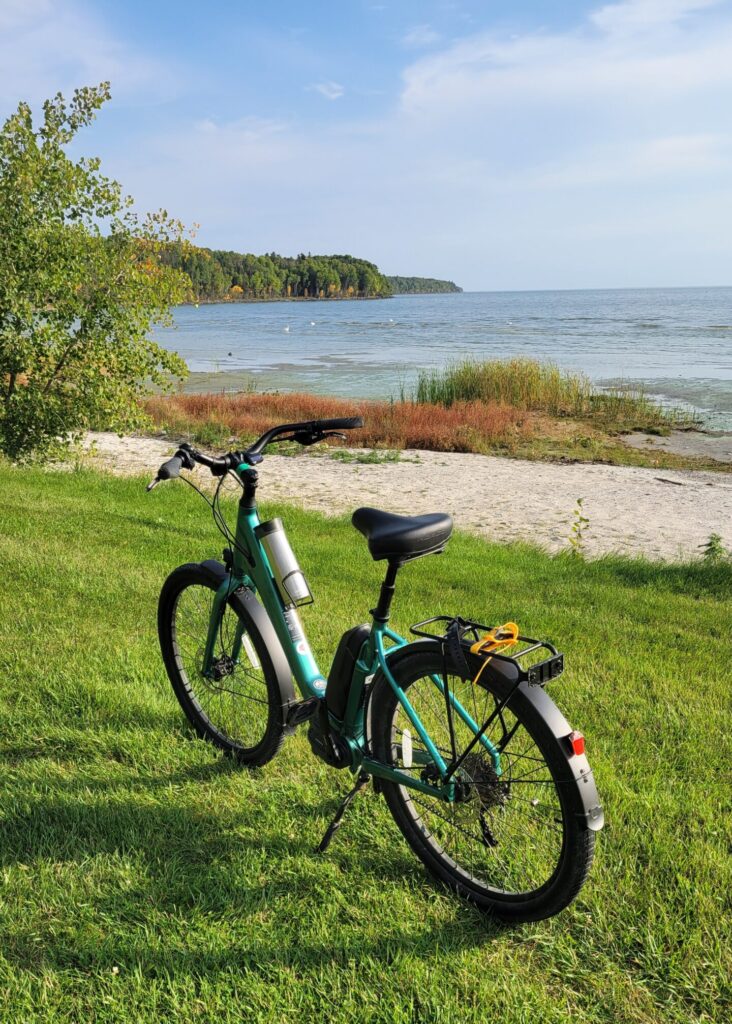
This program provides free, short-term e-bike rentals to RRC Polytech staff only. Participants can borrow one of three e-bikes (complete with helmet, charging device, lights and lock) for up to one week.
Whether commuting to work, running errands, or simply enjoying a ride, the program gives staff a chance to experience the benefits of e-biking firsthand.
Three e-bike options:
- Scout: Large, People 5’6” to 6’0” and up
- Rover: Medium, People 5’3” to 5’8”
- Bluey: Small, People 5’5” and under
Staff can submit requests through the E-Bike Borrowing Program – Request Form or contact ebike@rrc.ca for more information.
Pop by to Try an E-Bike at the front NDC Bus Loop on Thursday, May 14, 2026 from 11:30 to 1pm.
]]>
Social connection is essential to overall health and well-being. But too many people are feeling alone. In Canada, millions of people say they feel lonely often or always.This May 4-10, CMHA is inviting people across Canada to Come Together. It’s a call to spark small, everyday actions of connection, and to recognize the role we all play in supporting mental health through connection.
Social connection can take many forms. It might look like sharing a meal with someone you love, calling a friend, or exchanging a few words with a stranger. These moments of connection happen all around us, every day. And they matter more than we think.
Human beings are social animals. Our very survival and ability to thrive depends on how we interact with others. Research show that strong social support is linked to:
- Higher rates of well-being
- Greater safety and resilience
- Increased prosperity
- Longer life expectancy
Having good social support has also been found to lead to positive health outcomes, a sense of purpose, belonging, security, and self-worth. It also increases access to health-promoting resources and behaviours. In practice this means our ability to recognize when we need to reach out for help when we need it and where to find it and doing day-to-day things that help improve our mental health and well-being.
At RRC Polytech, the Campus Well Being team encourages you come together with fellow staff and students to build stronger connections for better mental health. What can you do?
- Follow Campus Well Being on Instagram @rrcwellbeing
- Join the Campus Mental Health Specialist for “Together We Move” Lunch Time Wellness Walk
- Gather at 12:15 pm in A104 at EDC for a showing of “My Depression – The Up and Down of It.” A 30 minute animated musical comedy created to help shed some light on this difficult and stigmatized topic.
- learn more about the Canadian Mental Health Association and Mental Health Awareness Week.
Sources
Canadian Mental Health Association
World Psychiatry, 23.3, 2024.
]]>Another automatic system is our fight‑flight‑freeze response to all the things coming at us from the world around us and from inside our own minds. We all react differently depending on our mood and what we’ve been through.

- Have you felt a racing heart before an exam?
- Does your mind spin as you manage tuition payments and student loans?
- Do your muscles clench every time you prepare for a presentation?
When we enter a situation that makes us feel stressed, anxious or overwhelmed, our bodies can react in many ways. You may experience shortness of breath, a racing heart, clammy hands and/or dizziness. You may feel tightness in your chest, a clenched jaw or trembling, headaches and tunnel vision.
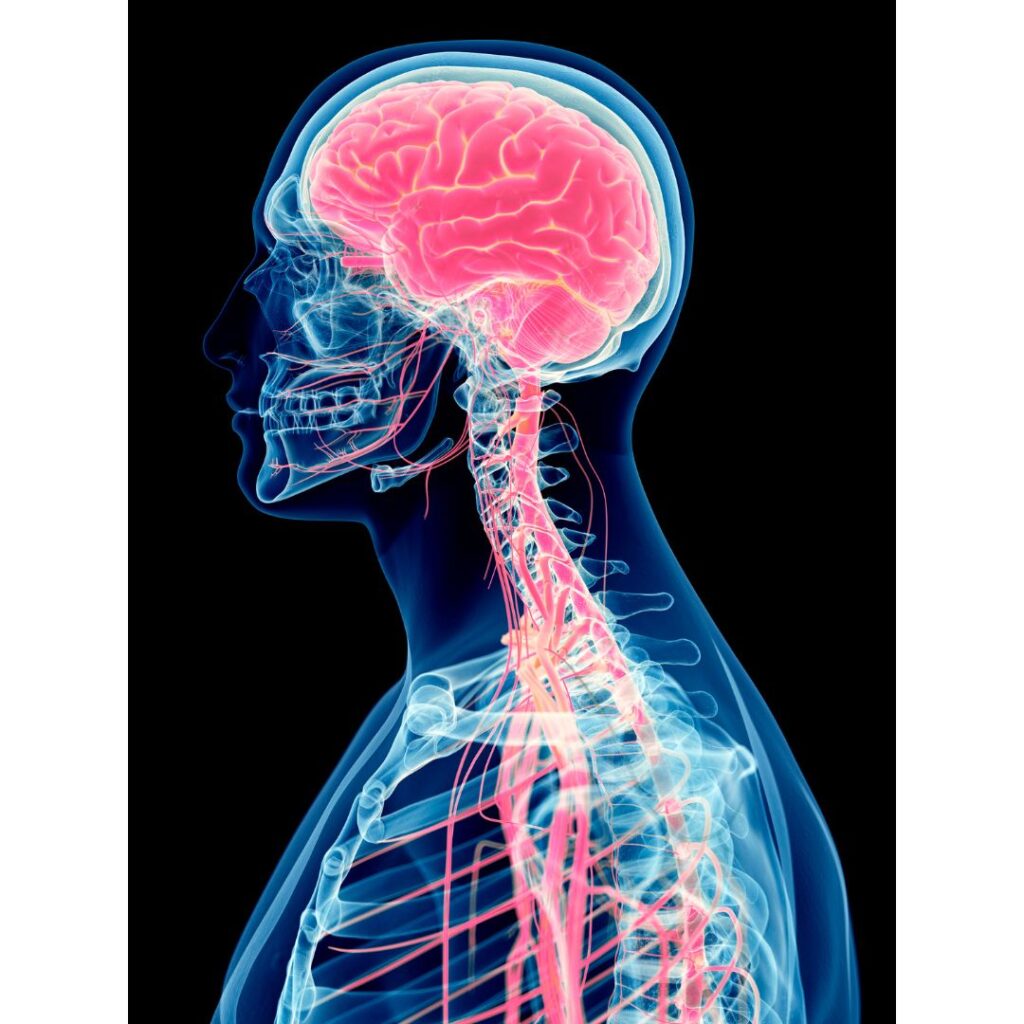
While these reactions might seem uncontrollable, your body also has ways to help calm them, such as activating your vagus nerve, a part of your parasympathetic nervous system.
The vagus nerve starts at the lower back part of our brain, right above where the spinal cord begins. From there, it branches out and down the left and right side of our necks. Each side of the nerve continues separately through the chest and into the abdomen, branching to the heart, lungs, stomach, intestines, and other organs.
It’s the longest cranial nerve and its a major pathway through which the body activates the parasympathetic (calming) response. The vagus nerve influences many automatic functions including heart rate, digestion, breathing, and even speech muscles.
A Calming Effect
The vagus nerve plays a vital role in allowing the body to be in a state that feels safe. A well-functioning vagus nerve contributes to emotional regulation, resilience, and overall wellness. When it’s activated, it helps slow the heart rate, lower blood pressure, and engage the parasympathetic “rest and digest” response that calms us down. A well‑supported vagus nerve helps the body manage stress more effectively and supports our mental well‑being every day.

Here are two simple ways to engage the vagus nerve and help ourselves during times of stress.
1. Diaphragmatic Breathing
One of the easiest and subtle ways to stimulate the vagus nerve is through diaphragmatic breathing. This is slow, deep breathing where the belly expands on the inhale and contracts on the exhale, with the exhale slightly longer than the inhale. Research shows this type of breathing slows the heart rate and invites the parasympathetic nervous system into action. For a practical guide to breathing techniques that support vagal tone, see the eMental Health tips.
2. Humming, Chanting, or Soft Vocal Tones

The vagus nerve branches to and through the throat and vocal cords, this means vocal vibrations like humming and chanting, can gently activate the nerve and cue relaxation. This can be as simple as humming a few gentle notes for a couple of minutes while walking between buildings or during a study break. For more on how sound and vibration help engage the vagus nerve, check out the Psychology Today article.
More Than Just Simple Hacks
While the two strategies highlighted above are quick and easy, as you might have guessed, our mental well-being is complex and multi-faceted. In addition to slow, controlled breathing, the most reliable ways to support our vagus nerve are:
- Regular moderate exercise
- Safe social connection
- Adequate sleep
Your Daily Path to Peace and Regulation
May we all take the time to find our paths to peace and relaxation. Supporting the vagus nerve is a simple way to improve overall well‑being. Small practices done regularly, ease stress and build resilience. Even a few minutes can shift the body from tension to calm.
Other Sources:
Portions of this content were researched and summarized with the help of AI to enhance clarity and accuracy.
]]>February 2nd: New Era Educators
This past February, our campers had the chance to explore some of the incredible spaces RRC Polytech has to offer. One of the biggest hits was a hands‑on t‑shirt design workshop led by the Teacher Education department. Youth sketched, pressed, and created their own custom shirts — and walked away with both wearable art and lasting camp memories.
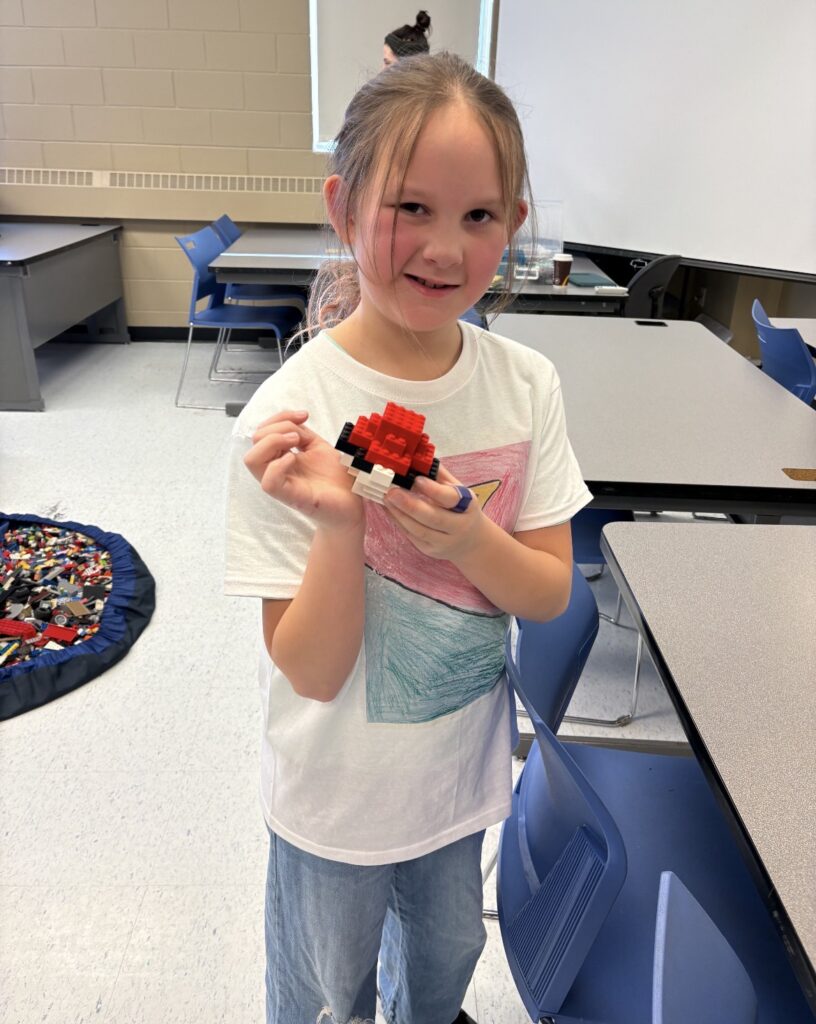
We kept the momentum going with a STEM‑focused LEGO build session facilitated by Bricks 4 Kidz, where campers engineered models with real moving parts. The day also included an immersive experience in our state‑of‑the‑art immersion room, giving youth a chance to step into new environments and spark their imaginations.
March 20th: Early Engineers
On March 20, eighteen campers joined us for an engineering‑themed day full of creativity and hands‑on exploration. We kicked things off with cardboard box fort building — powered by the Sustainability Team’s collection efforts — and campers quickly transformed boxes into imaginative structures.
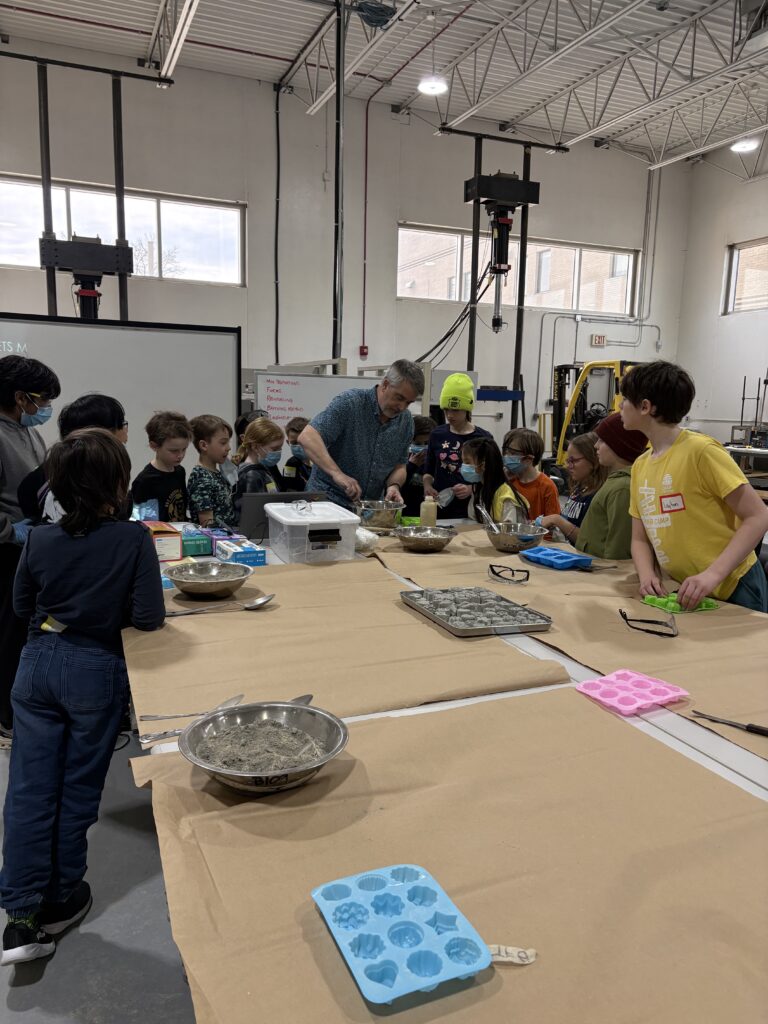
A highlight of the day was our visit to the CARSI lab, where campers learned about strong materials and mixed, molded, and painted their own concrete creations.
The engineering fun continued with rocket launchers built alongside Engineering for Kids, followed by a structure‑building challenge tested with some “windy elements” from a leaf blower.
April 10th: Veterinary Visionaries
On April 10, campers spent the day exploring animal care with a focus on veterinary technology — a perfect spark for future career curiosity. Campers toured the Vet Tech spaces and rotated through hands‑on stations, including a mock X‑ray setup, a surgery table, and blood and heart‑rate testing
Campers made cat toys and dog treats to take home or donate to Vet Tech or our pop-up cat cafés. We also had some visitors from Wildlife Haven Rehabilitation Centre; a salamander, a Mississippi kite, and a one‑eyed great horned owl, giving everyone an unforgettable look at wildlife care.
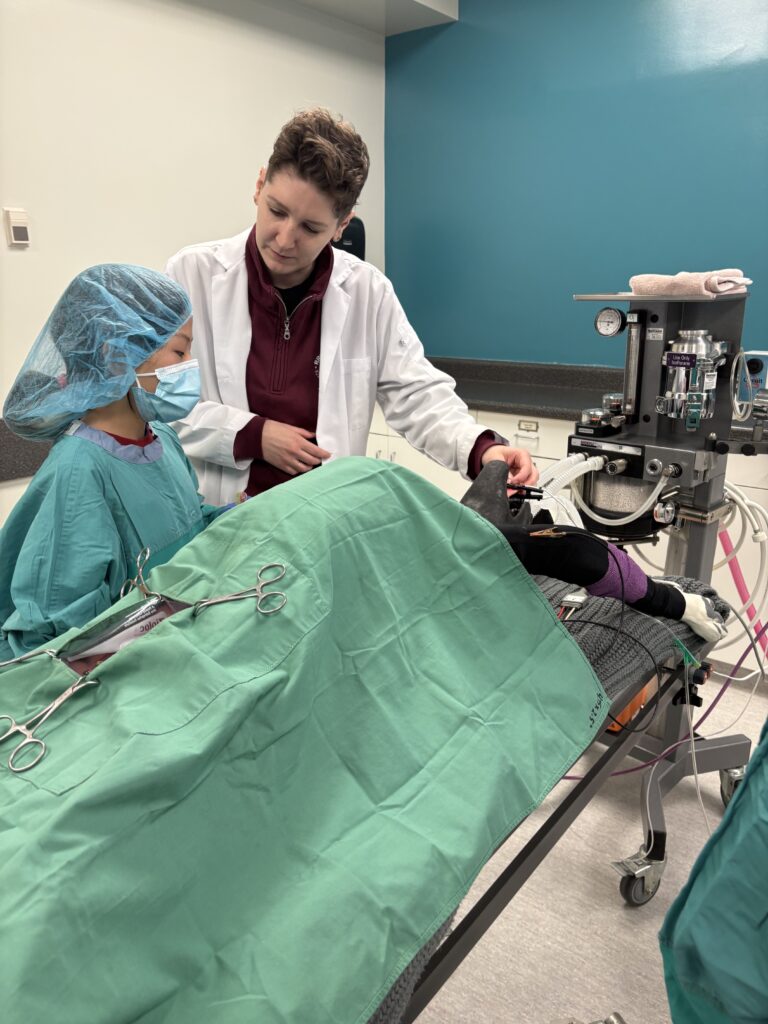
We loved creating these day camp experiences. Want to stay in the loop about our next in‑service camp? Sign up for our newsletter here.
]]>