
This is a guest post from Rong (Angela) Ge, a current student at the Language Training Center, she is currently completing her practicum with the Campus Well-Being Unit at RRC Polytech. Angela graduated from Nanjing University with major in Psychology. She worked in an education service centre for the past three years and has helped hundreds of international students settle down in Winnipeg. For now, Angela is moving forward to study in the Health Care field and is focusing on the individual mental wellness in the community.
How Do we improve our mental wellness as International Student?
Studying abroad is a challenge for each and every international student. If you are an international student, do you have a moment like this? Not feeling well but can not tell your parents thousands of miles away, or feeling so lonely and overwhelmed at night?
The main cause of mental health barriers among the international students is that they are taking too much pressure. Therefore, it requires special attention on their mental wellness.
Academic Stress
Generally, most of the parents have high expectations. They hope their children can adapt quickly to a non-native language environment and achieve excellent scores. In fact, the students need more time to get used to the new environment, since they just arrived in a different country, meeting different people, having a different life style. However, when the international students are unable to achieve the desired goals, they are considered not working hard enough.
Economic pressure
Most international students, therefore, depend on their family savings to fund the tuition and living expenses. Compared with the local students, their tuition fees are much higher, and they need to live on a budget to keep life balanced.
Emotional and social stress
This barrier is particularly acute among international students. Initially, their parents who used to take care of them are far away, and the old friends who used to listen to them are not around. Lacking friends and social activities make international students feel even more lonely.

What can we do?
In this special period, all of us are gripping for a way out, but we should pay more attention to the international students, especially their psychological construction. Every international student is brave and excellent. It is worth praising that they can go abroad to live and study alone. However, since there are some misapprehensive voices in the society, many international students are afraid to seek help when they encounter psychological issues, for fear of being looked down upon.
Hopefully, every international student can be safe and healthy.
Here are some tips for improving mental wellness.
- Develop a good habit
Good Habits are essential to our health. They can make the chances of achieving and maintaining our lifestyle goals such as exercising regularly and managing learning time, along with increasing quality of life.
- Self-regulation
Take a break when we are facing with a tough situation. Take the time to think things through, make a plan, wait patiently before acting.
- Get enough sleep
Sleep is an essential function that allows our body and mind to recharge. Healthy sleep helps us reduce stress and improve our mood, think more clearly and do better in school, and get along better with people.
- Go outside and in the sun
Exposure to sunlight is thought to increase the brain’s release of a hormone called serotonin. Serotonin is associated with boosting mood and helping us feel calm and focused.
- Live in the moment
Abraham Maslow once said, “The ability to be in the present moment is a major component of mental wellness.” Only in the present can help us achieve true happiness, peace, and joy.
- Seek help in the community
By the time reading this blog, there is no doubt that you are a member of this community. To support students and staff to stay well in spirit and mind, RRC Polytech is committed to providing excellent counselling service and support.
Click here to learn more about counselling here
Keep in mind, you are not alone. Growing and learning are important, but you need to allow yourself to pause, take a break, and then move forward.
关注国际留学生心理健康问题
作者简介:葛蓉(Angela Ge),现就读于红河理工学院语言中心,毕业于南京大学社会心理学专业。 在过去的三年,Angela曾就职于一家教育服务中心,协助和陪伴数百位国际留学生在温尼伯展开留学生活。如今,Angela计划学习医疗领域的相关课程,并且持续关注社区中个人心理健康问题。
对每一位国际留学生而言,海外求学永远是一项挑战。如果你是一名国际留学生,你是否有过如下的时刻?伤心失落却不能告知千里之外的父母,亦或者是某一个深夜,孤独和无措相伴?
造成国际留学生心理健康问题的最主要因素,是他们承担了太多的压力。因此,这需要我们更多的关注。
学业压力
一般来说,大部分的家长给予了过高的期待。他们希望自己的孩子能快速的适应非母语环境且取得完美的分数。可实际上,学生们需要更多的时间来习惯新的环境,因为他们目前正处于一个新的国家,会遇见不同的人,拥有不一样的生活方式。然而,当留学生们没有办法达到预期的目标时,他们就会被认为是努力不够。
经济压力
大多数留学生是需要家庭的支持才能支付学费和生活费的。相较于本地学生,他们的学费会高很多,所以需要省吃俭用来平衡学业和生活。
情绪和社交压力
这个问题存在于大多数的留学生当中。照顾我们的家人远在海外,愿意倾听的挚友不在身边。缺乏朋友和社交活动,使得留学生们越发觉得孤独。
我们可以做什么?
在这个特殊的时期,每个人都在寻求出路,留学生们需要我们更多的关注,尤其是他们的心理健康。每一位留学生都是勇敢和出色的,他们在海外求学和生活的行为值得我们称颂。但是,因为有一些不理解的声音存在,有些留学生在面临心理问题时,不敢寻求帮助,怕被别人瞧不起。
真心的希望,在求学的道路上,留学生们能安全和健康。这里有些小贴士可以帮助大家提高身心健康。
- 养成良好的生活习惯
好的生活习惯对健康尤其重要。它们可以让我们有机会实现和维持我们的生活目标,比如定期锻炼和管理学习时间,同时提高生活质量。
- 自我调整
在我们遇到困难的时候,让自己休息一下。在做出下一步行动之前,好好的考虑,做一个计划,或者静静的等待。
- 保有充足的睡眠
睡眠可以让我们的身体和头脑在夜间充电。健康的睡眠可以减少压力和改善绪,考虑事情更清晰,在学校表现的更好,以及和他人友好相处。
- 出门晒晒太阳
研究表明,曝露在阳光下,可以使大脑释放一种叫血清素的荷尔蒙。血清素与改善情绪、帮助我们感到平静和专注有关。
- 活在当下
马斯洛(著名的心理学家)曾经说过:“活在当下的能力是心理健康的一个重要组成部分。”只有活在当下才能帮助我们获得真正的幸福、安宁和欢乐。
- 在社区中寻求帮助
当你读这篇文章的时候,毫无疑问你已经是我们的一员。为了支持学生和教职员保持良好的精神和思想,红河理工学院致力于提供优秀的心理辅导服务和支持。
点击这里了解更多: /counselling
记住,你不是一个人。成长和学习虽很重要,但是你需要允许自己停下来,休息一下,然后继续前行。
]]>Below you will find some resources to help maintain physical and mental wellness during a time of social distancing. For additional information, continue to check www.rrc.ca for updates.
RRCP Recreation Services
- Monthly fitness challenges – challenge your friends to see how many you can accomplish at home!
- New: Weekly Fitness classes facilitated live- Check out staff and student news
Fitness Apps
Several are free, but check to ensure before you download. Some examples include:
- Tone It Up (Apple and Google Play)
- New: BodySpace – this includes an online community component (Free)
- New: 7 Minute Workout: Fitness App (Apple and Google Play) (Free with paid options)
- New: NIKE Training Club App (NTC) (Free with paid options)
Fitness Bloggers
Follow your favorite fitness professional on social media, or check out a new community to share your progress.
- New: Reebok Fitness Blog (Free)
- New: Tanya Poppett and Morgan Rose Moroney
- New: Well For Culture – Indigenous Health x life-ways
- New: Budget Friendly Easy Gluten-Free Recipes | Bites of Wellness *A delicious blog
- New: Home – Fitty Britttty
Many fitness facilities and companies are live streaming classes or providing online content. Check your local yoga studio, gym or other fitness facility to see if they are hosting anything. Alternatively, check out one of the options below.
Fitness Subscription & Online Classes
Please note that these options may involve fees.
- Peloton * free 60 day trial
- New: Animal Flow (Subscription fee of $19.99 month, can be performed at home and all movements are bodyweight, no equipment)
- New: FitOn * Free virtual workout classes
- New: Joyn- Joinful Movement – One month free
- New: Workout Videos | Fitness Blender – * free workouts from bodyweight to stretching
Fitness Streaming
- New: The Fitness Marshall- Free youtube videos optional subscription for live classes
- New: eHowFitness – YouTube – *Short 2min clips on everything fitness related
- New: Group Fitness Classes — My Body Fitness & Nutrition (mybodywpg.ca)– First Class Free- Winnipeg Based
- New: Little Sports – YouTube – * exercise at home for kids….parents also encouraged
Mindfulness & Meditation
- MindWell-U 30 Day Mindfulness Challenge ^
- MindWell-U Virtual Drop-in Mindfulness Class ^
- New: The Science of Wellbeing– Free Course from Yale University
- New: A 12-Minute Meditation to Reconnect with Yourself – Mindful
- New: All articles – Headspace ( Free Trial for one month)
Mental Health Bloggers
- New: The Holistic Pyschologist youtube
- New: Theempoweredtherapist Instagram
- New: The Latest Kate Instagram
- New: Nedra Tawwab instragram
Relaxation
- ADAM* audio guided relaxation
- Clear the Deck exercise to calm worry*
- New: Free Relaxation Downloads (innerhealthstudio.com)– Free guided relaxation
- New: Ergonomic Assessment Tool
- New: TimeOut app – ensure that you are taking necessary breaks
- Drink tea
- Put on music and dance
- Mindful walking, eating, sitting
- Take a bath
- Take a shower
- Audibly Sigh
- Spend time with a pet
- Right down your worries
- Connect your breathe
Social Connection
- Check staff news for events organized by Campus Wellbeing
- Connect with mental health coordinator
- Schedule a fitness and lifestyle consultation
- Schedule an informal coffee break on WebEx. Grab your beverage and just chat about whatever you feel like.
- Challenge yourself to reach out to colleagues and friends
- Send voice messages or hold video calls with friends and family
- Plan a skating day at the Forks
- Send in a Cheers for Peers to a colleague
- If children are home from school, consider creating a daily schedule
- New: Take a course at McNally Robinson
- New: Meet friends at the Winnipeg Art Galley- Free and Paid Classes
Creativity
- Stream an Opera performance
- Virtually tour a museum*
- Dance! Or learn a tik tok dance
- Cook or bake
- Join our virtual paint night event monthly
- Doodle or colour
- Put on some music or play an instrument
- New: Make your own Mukluks in a local Leather Creations class
- New: Learn how to Urban Sketch
- New: Arts Alive | Programs | National Arts Centre (nac-cna.ca)- Free and Paid classes and workshops on art
Stress and anxiety are normal reactions to abnormal situations. Now more than ever, it’s important to prioritize self-care and finding activities that help us feel grounded. Reach out to the Campus Well-being Team if you have any questions about campus Mental Health and Fitness resources.


Join RRC alumni, Amanda Le Rougetel for a night of Vision Board fun!
What is a Vision Board?
Also known as dream boards, a vision board is a visualization tool which refers to a board of any sort used to build a collage of words and pictures that represent your goals and dreams. These inspirational collages serve as your image of the future – a tangible example, idea or representation of where you are going. By putting a vision board somewhere you can see it every day, you will prompt yourself to visualize your ideal life on a regular basis.
What supplies do you need?
All you need is: a pair of scissors, glue, stock paper/poster board, and magazines!
Don’t have any magazines, but still want to participate? Register below, and check ‘yes‘ to needing supplies.
Magazines must be picked up at the Notre Dame or Exchange District campus. Pick-up times will be directly e-mailed to you.
Don’t forget – you can also participate virtually with absolutely no supplies with the help of Canva!
REGISTER HERE
]]>
What’s on Offer?
- Taking Care of the Mind that Leads
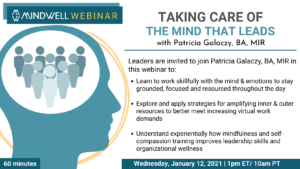
For all managers and people leaders, learn how to ground and remain resourced, relaxed and responsive as you effectively lead your team to success.
Learn more >>>
- Learn to Meditate: Modern Mindfulness for a Busy Life
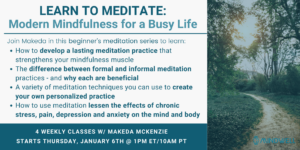
Akin to training your muscles at the gym, mindfulness capabilities can be strengthened by meditation. Learn the basics and create your own simple meditation practice. All skill levels welcome!
Learn more >>>
app.mindwellu.com/rrc/dropin#thu_programs
- Choose Your Own Well-Being
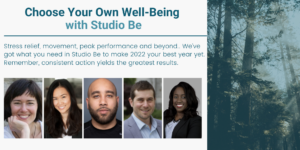
MindWell’s virtual mindfulness studio with drop-in classes every day of the week! Sign up for one of these 20-minute sessions to get your daily dose of mindfulness and community! Find what works for you, and learn new skills to support your wellness.
Learn more >>>
If you have any questions please feel free to contact our Mental Health Coordinator, Pamela at pvillafranca@rrc.ca
]]>
The beginning of Fall into Winter can be a difficult time for us. We may start to feel the looming unknown of winter, dread winter driving, and deal with shorter days with less sunlight. In Manitoba, because of our northern latitude, many folks experience Seasonable Affective Disorder, and many may experience milder winter blues.
Light therapy, sitting near a specialized light each day, is one form of treatment.
We are pleased to offer light therapy stations at the Exchange District and Notre Dame Campus libraries. In addition, several regional campuses also have light therapy stations.
If you have been feeling changes to your mood, lower energy levels, or any of the symptoms listed below you may want to give light therapy a try. Staff and students are invited to work or study at the station anytime the library is open.
Smaller portable lamps are available for loan through A/V services. That lamp may be used anywhere in the library that is near a power outlet. You will find instructions on proper use as well as important notes posted above the lamp.
To be effective, light from the lamp must enter your eyes indirectly. While your eyes must be open, don’t look directly at the light. Keep your session to 30 minutes unless otherwise directed by a physician.
Symptoms of Seasonal Affective Disorder (S.A.D.)
- Feeling tired, depressed or sad
- Increased appetite
- Craving for carbohydrates and starchy foods
- Weight gain
- Sleeping more than usual
- Social withdrawal
- Lack of interest in usual activities
- Inability to concentrate, to focus
- Loss of sexual desire
- Body aches and pains
If you feel that you may be experiencing any form of depression, including S.A.D., please speak to your primary health care provider.
Sources: The Mayo Clinic Website – www.mayoclinic.org and Northern Light Technologies Product Instructions
]]>
For so many of us, mental health is an important topic. Every day, conversations related to mindfulness or self-care come up.
There are no quick fixes to our mental health, and some of us feel overwhelmed, like we’ve lost control of things; others simply can’t shake feeling down. These are issues that many students deal with every day. But the good news is that there’s help available with MindBeacon digital therapy – available to Red River College students at no cost with referral.
MindBeacon can empower you
Designed to improve your mental health and build your resilience to life’s challenges, MindBeacon provides Cognitive Behavioural Therapy (or CBT), an evidence-based form of psychological therapy. Tis form of therapy is often considered the gold standard when it comes to helping people with mild to moderate depression, insomnia, or anxiety.
How CBT works
The premise behind CBT is that, with regular practice and guidance, we can manage the distressing thoughts and behaviours that come along with stressful, challenging situations – in a way that positively impacts our lives. It can be difficult at first, but with commitment to therapy, you can see your resilience grow.
Therapy on your terms
You use MindBeacon wherever and whenever you choose – all on your phone, tablet, or computer – with no appointments to keep. And your therapy is guided by a registered mental health professional, to help you develop crucial lifelong coping skills.
To get started, connect with any of the following:
- Student Counselling Services
- Mental Health Coordinator
- International Student Support Coordinators
- Academic Coaches
Students attending a regional campus may contact an Academic Success Coach at their campus.
Staff who are interested in MindBeacon should inquire about extended health plan coverage. Many of our employee benefit packages do cover these services, since they’re provided by registered social workers or psychologists.
This service enhancement aligns with the Healthy Minds Healthy College strategic priority to improve access to mental health services, using innovation. If you have questions please contact Breanna Sawatzky, Mental Health Coordinator.
]]>
Men’s mental health often flies under the radar. This means we need to be aware of what mental health looks like, validate that men (and everyone!) experience concerns with their mental health, and consider how to allow ourselves to experience it without shame or embarrassment.
Join Sheldon Hill (RP.), MindBeacon Psychotherapist, who will discuss some of the things that prevent men from seeking help, signs that you may be experiencing a mental health concern, and how to seek help once you’ve identified you need it.
New Date!: Thursday, April 29 (rescheduled from Monday, April 12)
Time: noon-1pm
Platform: WebEx – register here
More On The Presenter
Sheldon Hill (RP.) is a humanistic-existential, person-centred therapist who is passionate about helping clients alleviate their concerns so they can lead a meaningful, values-driven lives. Sheldon completed a Master of Arts in Counselling Psychology at Western University. At MindBeacon, Sheldon guides clients, including RRC students, as they complete programs based on Cognitive Behavioural Therapy.
More on MindBeacon
 Red River College is committed to providing access to a variety of mental health supports that address a wide range of needs. If you are an RRC student and would like a referral to access MindBeacon’s Therapist Guided Program free of charge, please contact Breanna Sawatzky, Mental Health Coordinator. RRC staff may be able to use their extended health benefits toward MindBeacon services.
More On Men’s Mental Health
HeadsUpGuys is a Movember Foundation funded group based out of the University of British Columbia that is dedicated to supporting men living with depression, as well as their friends and families. They provide practical advice, information about professional services and inspirational stories of recovery.
Canadian Mental Health Association Toronto highlights some of the key topics to consider when exploring men’s mental health.
]]>
This time of year, the shortened days and chilly temperatures can take a toll on our mental health. Even in a usual November, less daylight, more time spent indoors, and less physical activity can lead to a case of the winter blues. This year, as many of us are studying and working from home with less reason to leave our home, those winter blues can really drag us down.
Yes, it’s not technically winter yet, but here in Manitoba, we feel it already. Many people report having less energy, experiencing lower mood, and having more intense food cravings.
There are things we can do, however, to help promote good mental health. Here are some suggestions:
- Get outside during daylight hours. Even if it’s only for a few minutes, the light and air will help.
- Exercise regularly. Whether indoors or outdoors, regular exercise boosts your mood and energy levels. Movement of any kind helps. Try our livestreamed Friday lunchtime yoga class.
- Connect with friends virtually. Make a point of spending time with people with whom you can chat and laugh.
- Develop good sleep habits. Whenever possible, go to sleep and wake up at the same time each day. Leave smartphones and tablets in another room.
- Eat a balanced diet. We tend to crave carbs more in the winter, so make sure you’re still eating some veggies and fruit daily.
Seasonal Affective Disorder
Sometimes, the seasonal change can trigger the onset of Seasonal Affective Disorder (SAD), a treatable mental health condition. SAD is a type of Clinical Depression that is related to changes in the seasons. According to the Mayo Clinic, SAD symptoms that are specific to winter depression are:
- Irritability
- Tiredness or low energy
- Problems getting along with other people
- Hypersensitivity to rejection
- Heavy, “leaden” feeling in the arms or legs
- Oversleeping
- Appetite changes, especially a craving for foods high in carbohydrates
- Weight gain
If you’re feeling low for days at a time, have thoughts of suicide, or are using alcohol/drugs to cope, see your doctor or access RRC supports for students or staff.
Getting Better
Treatments for SAD can include medication, talk therapy, and light therapy. Light therapy involves sitting near a special lamp so that you’re exposed to bright light. Light therapy mimics natural outdoor light and appears to cause a change in brain chemicals linked to mood.
Borrow a Light Therapy Lamp from Library Services
Interested in trying light therapy? SAD Lamps are availaible on loan from Library Services. Simply complete the booking request to arrange the loan.
If you’re feeling the winter blues, whether it’s SAD or not, please reach out to someone and talk about it.
]]>
Due to our northern latitude, many Manitobans experience Seasonal Affective Disorder (SAD), while others experience a milder form of winter blues. SAD is a form of depression that occurs mostly during the fall and winter months, when days shorten and sunlight decreases.
Light therapy, sitting near a specialized light each day, is one form of treatment. This is why we’re pleased to offer light therapy stations in the Exchange District and Notre Dame Campus libraries. Several regional campuses also have light therapy stations.
If you’ve been feeling changes to your mood, lower energy levels, or any of the symptoms listed below, you may want to give light therapy a try. Staff and students are invited to work or study at the station anytime the library is open.
You may also loan a smaller, portable lamp from A/V Services. That lamp may be used anywhere in the library that is near a power outlet. You’ll find instructions on proper use as well as important notes posted above the lamp.
To be effective, light from the lamp must enter your eyes indirectly. While your eyes must be open, don’t look directly at the light. Keep your session to 30 minutes, unless otherwise directed by a physician.
Symptoms of Seasonal Affective Disorder (S.A.D.)
- Feeling tired, depressed or sad
- Increased appetite
- Craving for carbohydrates and starchy foods
- Weight gain
- Sleeping more than usual
- Social withdrawal
- Lack of interest in usual activities
- Inability to concentrate, to focus
- Loss of sexual desire
- Body aches and pains
If you feel that you may be experiencing any form of depression, including SAD, please speak to your primary health care provider.
Sources: The Mayo Clinic Website – www.mayoclinic.org and Northern Light Technologies Product Instructions
]]>
Due to our northern latitude, many Winnipeggers experience Seasonal Affective Disorder (SAD), while others experience a milder form of winter blues. SAD is a form of depression that occurs mostly during the fall and winter months, when days shorten and sunlight decreases.
Light therapy, sitting near a specialized light each day, is one form of treatment. This is why we’re pleased to announce that both the Notre Dame and Exchange District Campus Libraries now have light therapy stations.
If you’ve been feeling changes to your mood, lower energy levels, or any of the symptoms listed below, you may want to give light therapy a try. Staff and students are invited to work or study at the station anytime the library is open.
You may also loan a smaller, portable lamp from A/V Services. That lamp may be used anywhere in the library that is near a power outlet. You’ll find instructions on proper use as well as important notes posted above the lamp.
To be effective, light from the lamp must enter your eyes indirectly. While your eyes must be open, don’t look directly at the light. Keep your session to 30 minutes, unless otherwise directed by a physician.
Symptoms of Seasonal Affective Disorder (S.A.D.)
- Feeling tired, depressed or sad
- Increased appetite
- Craving for carbohydrates and starchy foods
- Weight gain
- Sleeping more than usual
- Social withdrawal
- Lack of interest in usual activities
- Inability to concentrate, to focus
- Loss of sexual desire
- Body aches and pains
If you feel that you may be experiencing any form of depression, including SAD, please speak to your primary health care provider.
Sources: The Mayo Clinic Website – www.mayoclinic.org and Northern Light Technologies Product Instructions
]]>