
Young adults typically need 7–9 hours of sleep per night to support healthy functioning Despite this, sleep problems are common among post-secondary students. Research suggests that about 18% of college students experience sleep difficulties consistent with insomnia. Several factors can make getting enough sleep difficult during the college years, including:
- erratic schedules,
- heavy academic and vocational workloads,
- the transition to adulthood and managing new responsibilities,
- living away from home, and social pressures such as building new friendships
- academic stress can also play a role, with sleep quality often declining as the academic year progresses (King et al., 2023).
Recognizing these barriers is an important first step in supporting healthy sleep habits and student well-being.
Tips to improve sleep
Cognitive Behavioural Therapy for insomnia: teaches you strategies to help regulate your body clock, strengthen your sleep drive, and manage anxiety around sleep.
Have a consistent wake up time: Your wake up time sets your biological clock for the day, so waking up at the same time everyday can help to signal your body when it’s time to go to bed each night.
Get morning light exposure: Exposure to morning light helps to set your body clock. Try to get outside as much as possible throughout the day, especially in the mornings.
Create a calming wind-down routine: We all need time to transition between our wakeful daytime activities and sleep. Approximately two hours before bed stop physical exercise. One to two hours before bed it is advised to stop studying, schoolwork and errands. For the hour before bed, consider no screens (phones and televisions).
On March 11, 2026, Campus Well-Being hosted local sleep expert and psychiatrist, Dr. Elizabeth Hebert to learn about why sleep is so important to our academic success and learn helpful tips on how to get a better nights sleep. Missed the presentation? Watch here.
Sources:
Dr. Elizabeth Hebert – De-stress your sleep
Goodnight Mind” by Colleen Carney & Rachel Manber
]]>
Week One done. Let’s get to Week Two
By now, you might have started to:
- Check your step count more often
- Find small pockets of time to move in your day
- Realize 7,000 is doable
These actions may sound small, but they have a huge impact on your goals.
Week 2 Focus: Add a little intention
Now that you’ve started, let’s create more intention this week and ‘upgrade’ your movement
- Pick up the pace
- During your daily walks, try to pick up the pace. Not a sprint or jog, just a slightly faster pace, making sure you can still talk
- 10-15 minutes at a brisk pace can boost heart health and increase overall fitness
- Add one ‘extra day’
- If by this week you’ve already hit 10 days, keep that streak going!
- Adding ‘one extra day’ every week adds and builds toward closing the gap
- Remember, the more days you hit, the better the prize – and more importantly the better the health benefits!
- Change the environment
- Try a new route on campus
- Go outside (if it’s not too cold or slushy!) to add extra steps and get some fresh air
- Go with a coworker or classmate instead of alone
- All these things help change the scenery, keeping the habit from feeling repetitive
Why this matters
Walking consistently isn’t about counting steps. Research shows that moderately intense activity like brisk walking can:
- Improve cardiovascular fitness
- Help regulate blood sugar
- Reduce stress
- Improve mood and mental clarity
All this without a gym membership or special equipment. Everything can be done right in your usual environment.
Be mindful – it’s normal to feel motivation dropping. Excitement is fading and routine is taking over. Instead of motivation, rely on scheduling. Block the time in your calendar, treat this time like a meeting.
Week 2 Goals:
- Keep hitting 7,000 steps
- Add one small intensity upgrade – pick up the pace or make your walks a little longer
- Stay consistent and schedule this time in your calendar
You’re starting to build good habits, keep building, we’re already halfway there!
Sources:
https://www.heartandstroke.ca/-/media/pdf-files/healthy-living/csep_guidelines_handbook.pdf?rev=-1 – CSEP Physical Activity Guidelines
https://www.canada.ca/en/public-health/services/publications/healthy-living/physical-activity-tips-adults-18-64-years.html – Canadian Government Physical Activity Tips
https://www.cdc.gov/physical-activity-basics/about/index.html – CDC Physical Activity Basics
]]>
Join Dr. Elizabeth Hebert from the University of Manitoba & CBT Manitoba on Wednesday March 11, 2026 to learn the science of sleep and research backed techniques to get a better night’s rest.
Based on cognitive-behavioural therapy, Dr. Hebert’s upcoming talk “De-Stress Your Sleep” will focus on practical, low-tech tips you can start using tonight to improve your sleep. Dr. Hebert will highlight why sleep is so hard (and so important) for students, the science behind how sleep works, and the interaction between screens, stress, and sleep. This talk will also provide bonus tips for a healthier relationship with both stress and your screen time.
Date: Wednesday March 11, 2026Time: 12:00 to 12:45 pmLocation: EDC – A104
Please register here. Walk-ins also welcome.
Light snacks provided.
Questions? Email Kelly Giddings (Campus Mental Health Specialist).
]]>
Welcome to Week 1 of the Get Movin’ Challenge! If you haven’t officially joined yet, complete this form to get started.
Your goal: 7,000 steps per day for at least 10 days.
If that number feels big – don’t worry. This week isn’t about perfection, it’s about building the habit
Why 7,000 steps?
You’ve probably heard of the 10,000 step rule. But research shows, that you don’t actually need that many steps to see health benefits. Around 7,000 steps per day is linked to improvements in health, overall longevity, and reduced risk of chronic disease.
More importantly – it’s doable.
And doable goals are the ones that actually stick.
Week 1 Focus: Keep it simple
Don’t worry too much about a new workout routine, buying the latest tech or looking for workout videos on YouTube – just yet. You just need to move a little more than you did last week.
Try things like:
- 10 minute walk before work
- A quick lap around campus between classes or meetings
- Walking during phone calls
- Parking a bit further away
- Taking the stairs instead of the elevator – if that’s available
Short walks in the day can get you halfway to your goal without feeling too overwhelming.
What you might notice
Even after a few days, people often report:
- Better mood
- More energy in the afternoon
- Less stiffness from sitting
- Improved sleep
Walking is underrated. It’s low-impact, accessible to many, and surprisingly powerful.
And overall, 7,000 steps usually works out to about 60-75 minutes of total movement throughout the entire day.
That doesn’t mean one long walk, it can be broken down across your entire day.
And it’s not about perfection – you don’t need to worry about missing a day. This challenge is about hitting 7,000 steps for at least 10 days or more.
Show up when you can, where you can.
Week 1 Goals:
- Get familiar with your step count. Start tracking your steps with a free app or calculate your exercise using this calculator
- Build a simple routine – park further, take the longer route to your next meeting
- Notice how you feel. Make notes, write it in a journal, or just think about how you felt after every day.
The hardest part is always starting – once you get passed that, you’re already on your way to building habits.
Sources:
https://pubmed.ncbi.nlm.nih.gov/31141585/ – study on step volume and intensity
https://www.cdc.gov/physical-activity-basics/benefits/index.html – benefits of physical activity
https://link.springer.com/article/10.1186/1479-5868-8-79 – how many steps per day are enough
]]>In March, RRC Polytech staff and students are invited to join a series of live, expert-led sessions designed to help you build resilience, navigate challenges with greater ease, and reconnect with what helps you feel grounded and confident. Click here to set up or log in to your free MindWell account.
Confidence from Within – Tuesday March 10 at 12 pm CST
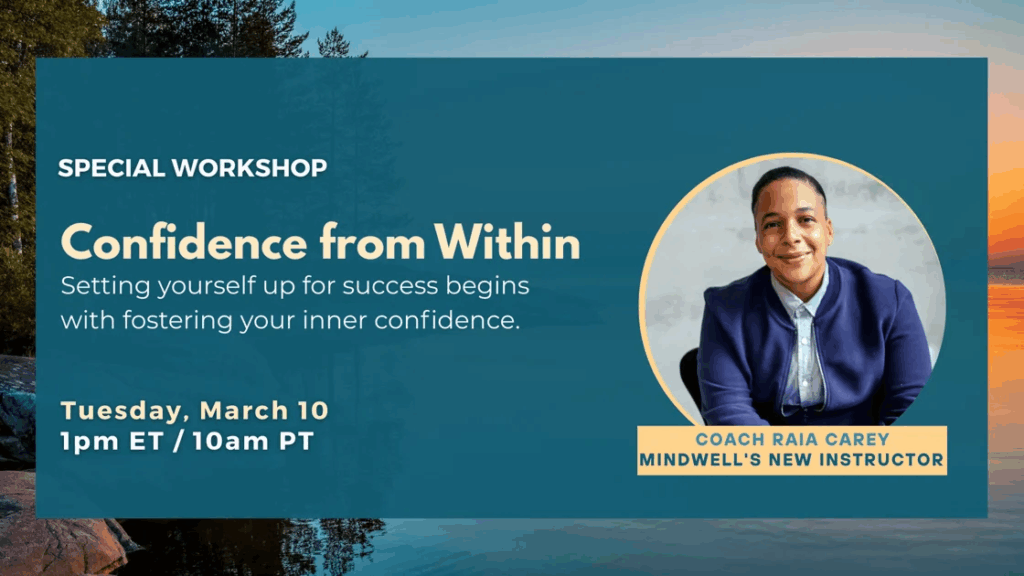
Whether you are a team member or a leader, this session provides the tools to establish healthy boundaries, increase decisiveness, and collaborate more effectively to achieve goals with your colleagues.
You will learn strategies to leverage your communication skills, financial management, and mindset, empowering you to reach your full potential both in and out of the workplace. Register here.
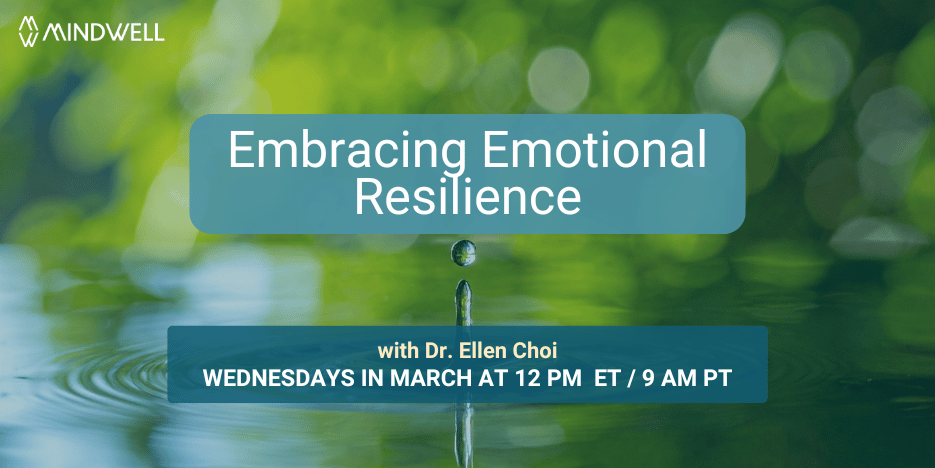
Embracing Emotional Resilience – Wednesdays at 11 am
This month, this session will explore a new emotion each week and how to develop greater awareness to navigate our response to each of them.
Learn practical strategies to cultivate emotional balance and enhance your overall well-being. Register here.
Pilates for Pain Management – Thursdays at 11 am CST
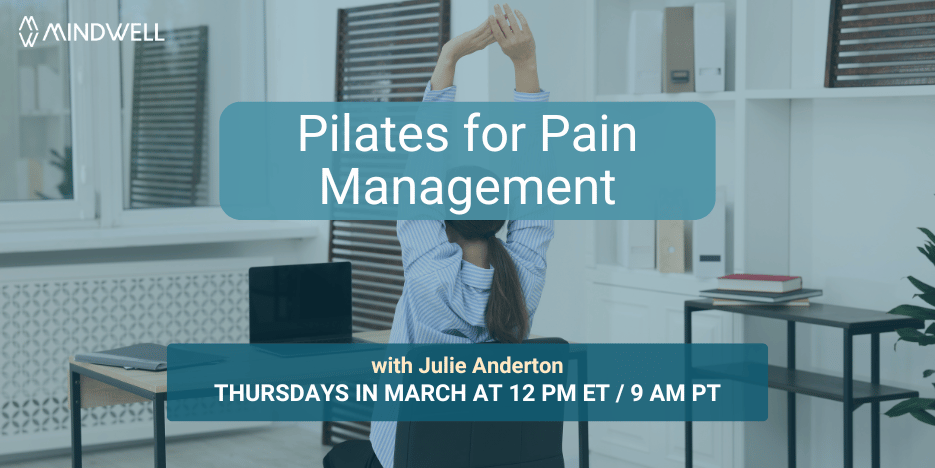
Don’t let pain hold you back! Physical pain can have a strong negative impact on our emotional wellbeing, which can prevent us from doing activities that bring us joy.
Discover how Pilates can be a gentle yet powerful tool to manage pain cycles and restore your emotional well-being, paving the way for joyful activity. Register Here.
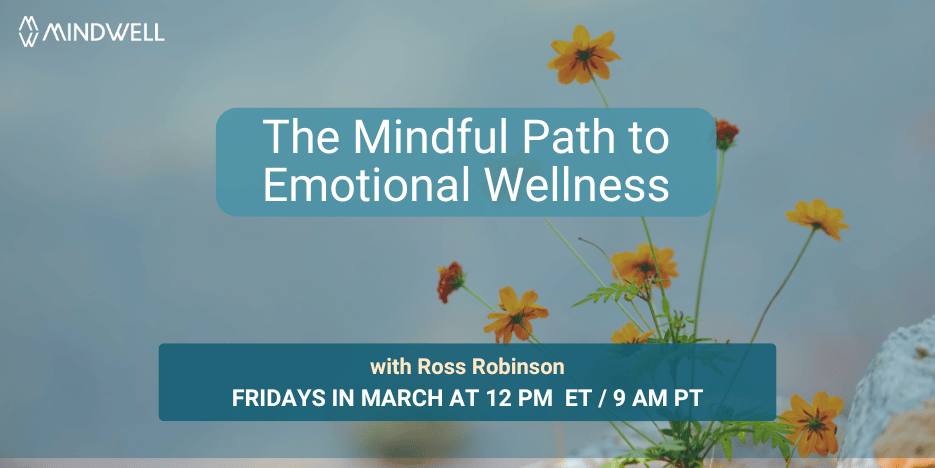
The Mindful Path to Emotional Wellness – Fridays at 11 am CST
This class offers a restorative pause to strengthen both inner balance and interpersonal connection. Through guided reflections and mindful practices, the class emphasizes the four pillars of emotional intelligence: self-awareness, self-management, social awareness, and relationship skills. Register here.
Step up & Win!
Go toe-to-toe with your classmates and colleagues. Move your way to improved health, and a chance to win some amazing prizes!
Keep track of your steps (& other physical activity) during the month of March. To qualify for the prize draw, 7000 steps per day is required for a minimum of 10 days during the month.
The more days you reach 7000 steps, the better the prizes!
- Register Here no later than Friday March 6, 2026
- Submit Your Results by Thursday April 2, 2026, after completing the challenge
- Winners will be announced on Friday April 10, 2026
Tracking Movement And Submitting Results
How do I track my steps or physical activity? (4 options)
- Use your fitness tracker or smart phone to determine how many steps you achieve each day.
- Download the free ‘Google Fit’ app or other tracking platform to allow your smart phone to track your step count.
- Enter your daily physical activity into this Activity to Steps Converter to convert various movement activities into a step total.
- Exercise for 30+ minutes at the gym, pool, spin studio, or at home to achieve the equivalent of 7000 steps (for the purpose of this contest).
- Sports, weights, aerobics, it all counts!
For each day that you reach 7000 steps, use your phone or notebook to track your total number of days.
At the end of the month, submit your results here.
Hitting Your Goal
Here are some ways to achieve 7000 steps (or the movement equivalent):
- Walk / Run / Cycle
- Take a fitness class
- Lift weights
- Active transportation
- Have a walking meeting
- Set movement reminders
- Play sports
- Take the stairs
- Choose activities you enjoy
Check out our Campus Well-Being Programs for more information on movement opportunities and to sign up for free fitness classes, intramural sports, and more!
Prizes
How do I win prizes?
- Reach 7000 steps for 10 or more days for a bronze prize entry.
- Reach 7000 steps for 15 or more days for a silver prize entry.
- Reach 7000 steps for 20 or more days for a gold prize entry.
Bronze Prize List – 12 Winners
- 12 $20 Campus Store gift cards
Silver Prize List – 5 Winners
- 2 $45 Sport Chek gift cards
- Wireless Earbuds
- Addidas Duffle Bag
- 24 Oz Hydro Flask Water Bottle
Gold Prize List – 3 Winners
- Fitness Tracker Watch
- JBL Wireless Headphones
- Deep Tissue Muscle Massage Gun
For more details or questions, please email Henry de Guzman
]]>Congratulations to our Take 5 Challenge winners!
Your commitment reminds us that well-being doesn’t have to be complicated—it can start with just five minutes.
To everyone who participated: thank you for showing up for yourselves and for each other. Whether you completed all Take 5 modules or simply tried a few activities along the way, every step toward wellness matters.
Here is what our three of the winners have to say about their experience:
“The Take 5 Challenge gave me simple tools I could actually fit into my day. The little reminders, like to drink more water and make healthier snack choices helped me be more mindful of my well-being without feeling overwhelming.” – Jessie Sopher
“The Take 5 challenge has been a simple yet powerful reminder to pause, breathe and intentionally care for my wellbeing each day. Taking just five minutes to reset and reflect has made a meaningful difference in reducing my stress and strengthening my overall mental health. I make sure to take a moment each day when I feel overwhelmed and notice the cues, notice the new, notice your body, notice your breathe and notice the now.” – Shannon Coates
“The Take 5 Challenge helps me relax and refocus whenever I need it. It has been a wonderful support for my mental wellness.” – Sang Le
Missed the MindWell challenge or want to continue building healthy habits? It’s never too late to begin. Sign up for your free account today and take five minutes today to pause, breathe, and check in with yourself—you deserve it.
]]>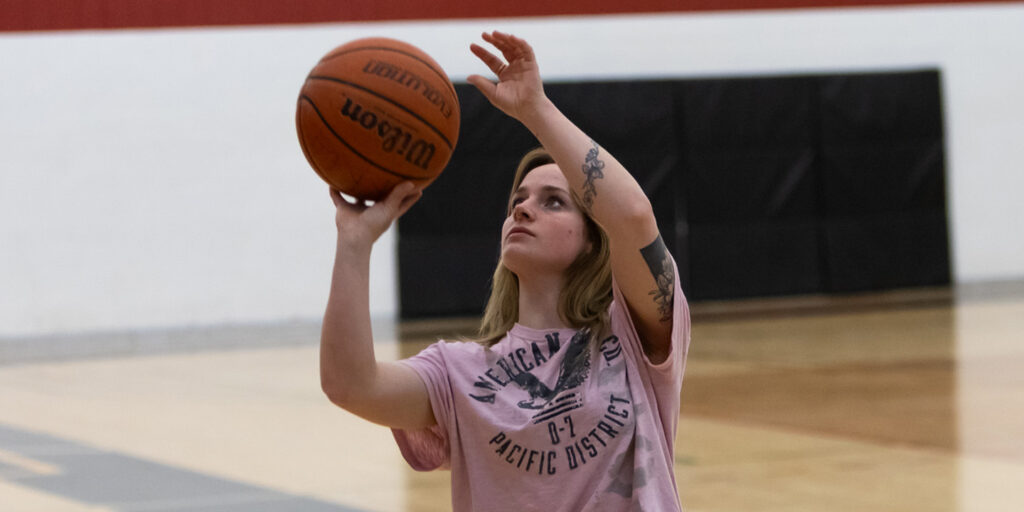
Looking for a fun mid-day break and a chance to show off your basketball skills?
Come take part in our Basketball Free-Throw Challenge on Wednesday, February 25, hosted in the North Gym at Notre Dame Campus from 12:00–1:00 PM.
Whether you’re a seasoned shooter or just in it for a good time, this event is open to all students and staff.
Win a Prize!
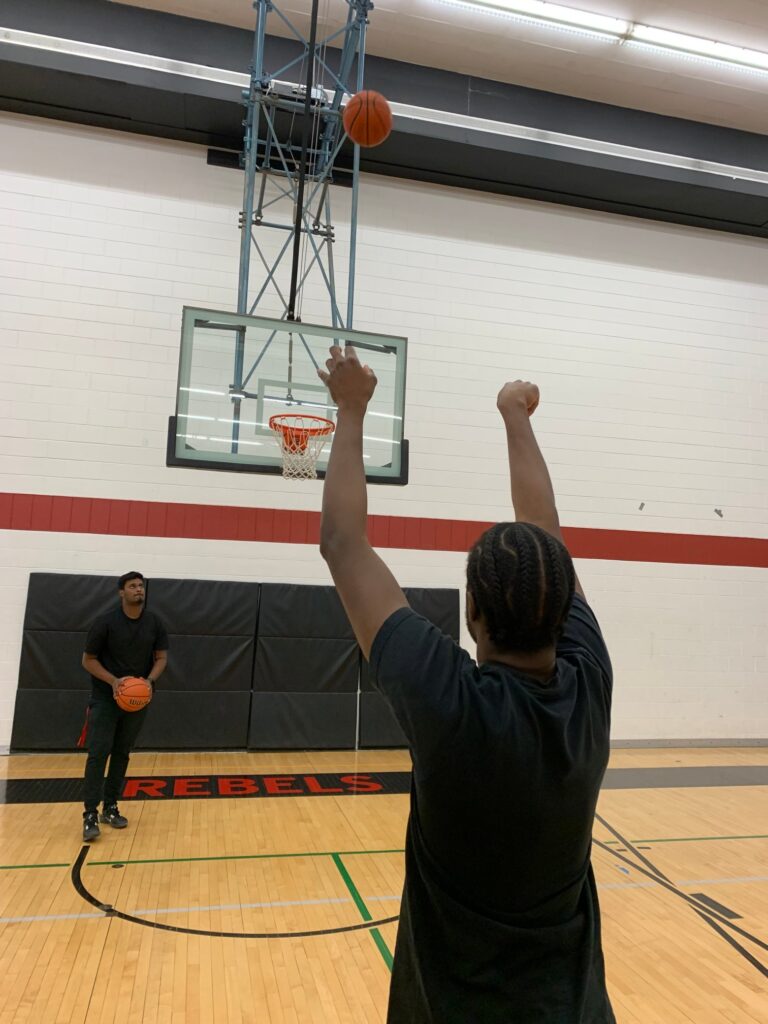
Participants will compete to see who can score the most free throws out of ten shots. The top three shooters with the highest scores will win Sport Chek gift cards:
- 1st Place – $50 Sport Chek gift card
- 2nd Place – $30 Sport Chek gift card
- 3rd Place – $20 Sport Chek gift card
Walk-ins are welcome, but you can also pre-register here.
What to Bring
To join in the fun, be sure to bring:
- Indoor athletic shoes
- Athletic clothes
- A lock to secure your belonging in the change room
Don’t miss your chance to shoot your shot, have some fun, and win prizes!
How to Register
- Visit the registration page on our member portal
- In the top right corner, click on Sign In
- Click on the red button that reads “Use RRC Polytech Credentials”. This will ensure you are linked to your student or staff membership.
- Use your RRC email and password to sign in. If you are already signed in to HUB, you will skip this step.
- If it’s your first time signing in, you will be prompted to complete a facility use waiver.
- Browse programs and use the shopping cart to select and register for a program.
Checking In with New Year Intentions
In January, you may have written down a long list of resolutions and goals. This second month of the year often reveals which intentions gained momentum and which slowed down. Instead of judgment, curiosity opens the door to growth. Which habits bring you energy? Which goals feel heavy or forced? Wellness thrives when intention meets flexibility. Allow your goals to evolve as life unfolds, honoring progress without pressure or perfection.
Discovering Your Heart Word or Theme of the Year

Many people choose a word or theme to guide them through the year. This word or theme can be a symbol of something you want to bring out in yourself or focus on – truth, forgiveness, detachment, bravery, peace, nutrition.
With February recognized as Heart Month, this can also be a time to reflect on what your heart is most drawn to, such as the care, values, or intentions you want to nurture in the year ahead.
Some people may discover that word early, while others uncover meaning slowly through lived experience. Both paths hold value. A theme may surface through repeated patterns, emotional nudges, or moments of clarity. Trust the process and allow insight to arrive naturally, even if understanding blooms closer to year’s end.
Supporting Physical Heart Health

With Valentine’s Day in February, this month of love also shines a spotlight on physical heart health. Movement, nourishing food, rest, and stress management all contribute to cardiovascular strength. Gentle walks, joyful dance, deep breathing, and mindful moments support circulation and vitality.
Caring for the physical heart creates a strong foundation for emotional and mental well-being. Pay attention to your heart – go for regular check-ups and get your blood pressure checked. Also find out your resting heart rate, discover how cholesterol levels impact your heart health and learn some heart healthy habits to include as well.
These numbers are good indicators of your heart health. Working with your family doctor and other professionals can help you discover and decide if more exercise, food changes or relaxing activities are needed.
Making Space for Passion, People and Purpose

The heart thrives on passion, creativity, and connection. It is also nourished by the people we surround ourselves with by sharing time, laughter, and meaningful moments together that support emotional and physical well-being. Choosing to spend time with those who uplift you can be a simple act of heart care.
Time spent on activities that spark joy fuels resilience and motivation. Whether through art, music, movement, learning, or meaningful conversation, passion keeps wellness alive.
Listening to what excites you, the glimmers in your life, strengthens intuition and encourages choices aligned with purpose. Then perhaps bring a friend or loved-one to enjoy the activity with you!
A Heart-Led Path Forward
May the month of February offer you an invitation to listen closely and move forward with intention. Following your heart nurtures balance, clarity, and trust in your own rhythm. May we all pay attention to the whispers in the back of our minds and on the front of our hearts.
Be sure to explore some of Campus Well-Being’s fitness, recreational, mental health and creative classes this term too.
]]>You’ll learn through a powerful blend of traditional Taekwondo and practical, real-world self-defense techniques, the kind that make sense in everyday life.
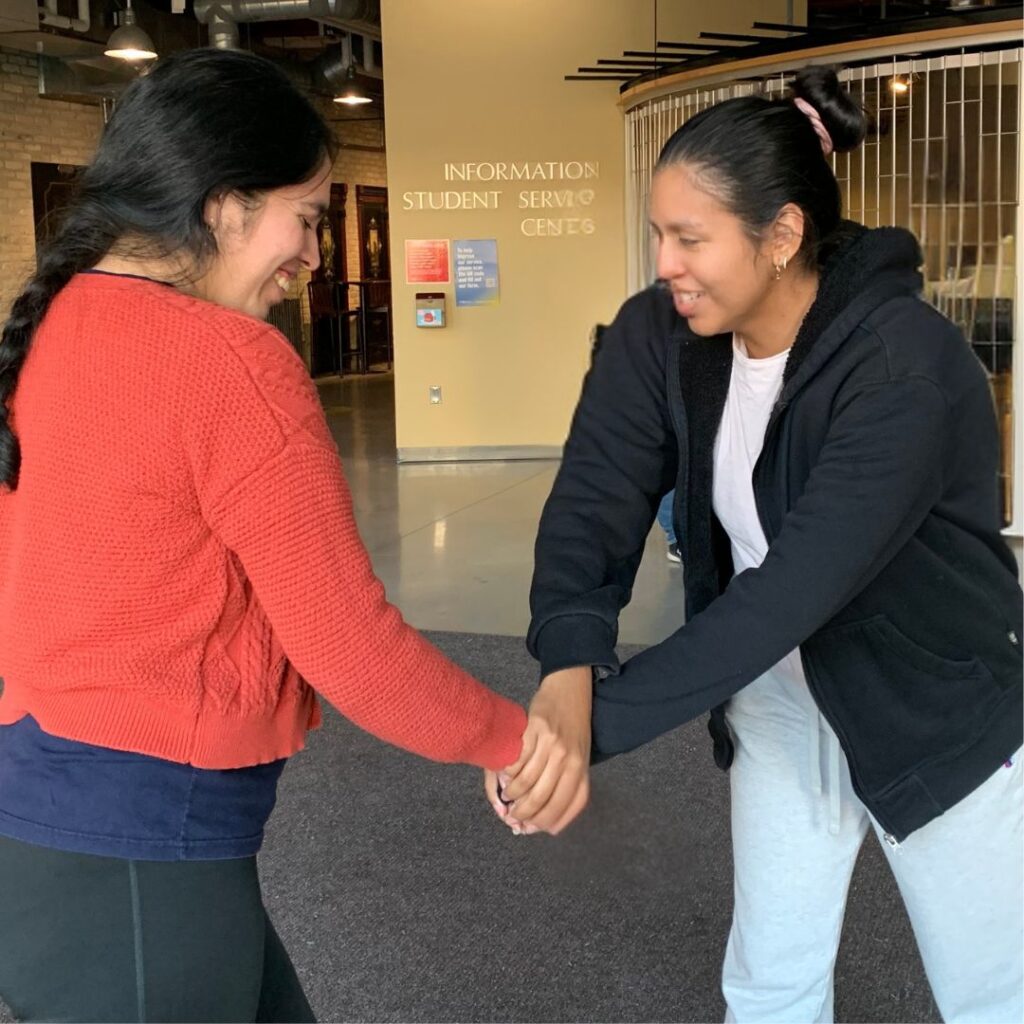
This is not about fighting. It’s about awareness, prevention, and knowing what to do when something doesn’t feel right.
Our safe, inclusive program will help you:
- Identify situations where personal safety may be at risk
- Learn how to avoid or reduce danger before it escalates
- Build confidence through simple, effective physical skills
The class follows a hybrid format, part informative, part physical, so you understand the why and practice the how. Participants will also receive handouts based on real-life scenarios to reinforce learning outside the class.
Program Structure: Four Real-Life Safety Classes
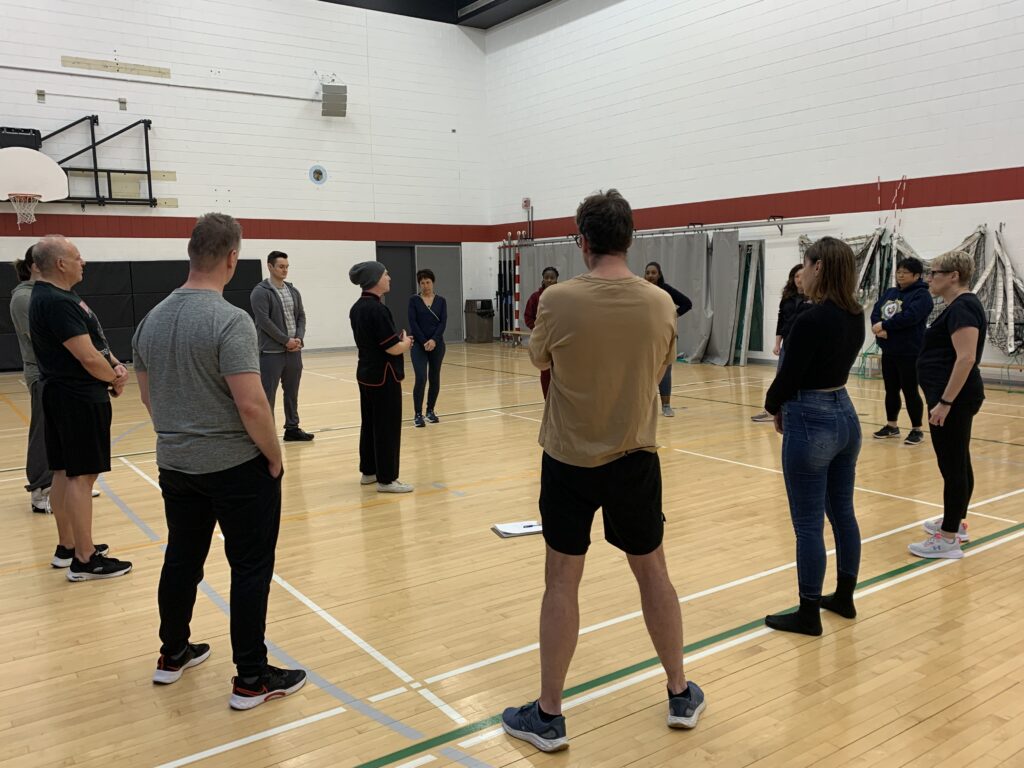
This program is delivered through four focused classes, each based on common, real-life situations where personal safety matters most. Every class combines practical awareness strategies with hands-on self-defense skills.
Come for one class, come for them all or drop in when you can. No previous experience necessary to join. REGISTER – This class is open to all students and staff and is free of charge.
- Class 1 – Feb 25, 2026: Staying Safe While Shopping
- Class 2 – Mar 4, 2026: Staying Safe on the Bus or Public Transit
- Class 3 – Mar 11, 2026: Staying Safe While Walking Alone
- Class 4 – Mar 18, 2026: Staying Safe on Campus
Full physical participation is encouraged, but observer-participants are also welcome. Observers can add to the discussion and improve the mental component of self-defense without engaging physically or while sitting out specific exercises.
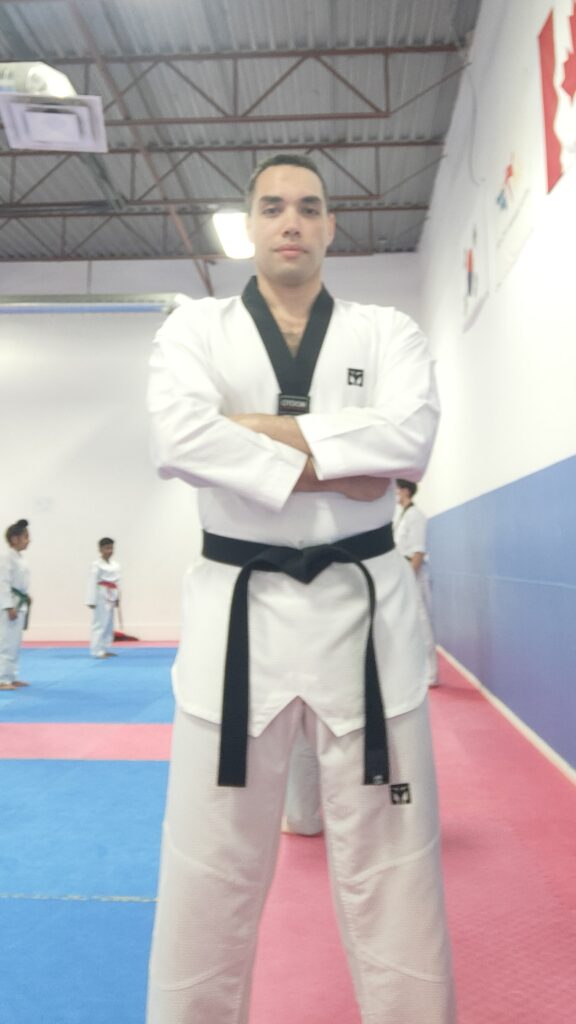
Ehab Mahmoud is an experienced self-defense instructor and fitness trainer with over 10 years of professional experience in martial arts coaching and program development.
A World Taekwondo black belt certified through the Olympic Committee, Ehab has worked with national teams across Egypt, Korea, Saudi Arabia, Jordan, and Azerbaijan, supporting athlete training, injury prevention, and competition preparation.
His teaching style blends practical, real-world self-defence with clear communication and an emphasis on confidence, awareness, and personal safety. Ehab is passionate about creating inclusive, supportive classes that meet participants where they are, making this four-week lunch-hour series accessible, empowering, and relevant for both students and staff.
]]>